Table of Contents (13 sections)
Augmented reality (AR) has emerged as one of the most exciting technologies in recent years, and its integration into mobile phones is revolutionizing the way we interact with our environment. AR overlays digital information onto the real world, enhancing our perception and providing new possibilities for entertainment, education, and more. As smartphone technology continues to advance with increasingly powerful processors and cameras, the potential for AR is becoming more accessible and practical for everyday use.
What is Augmented Reality?
Augmented reality differs from virtual reality in that it enhances the real world rather than creating a wholly separate environment. According to Wikipedia, AR utilizes digital elements to interact with the physical world, combining real-life views with computer-generated images, sounds, and other sensory stimuli.
For example, Snapchat and Instagram filter AR functionalities allow users to add virtual effects to their faces in real-time. This technology is not only a fun addition to social media but is also applied in fields like healthcare, real estate, and education to facilitate immersive learning experiences. According to Statista, the global AR market is expected to reach $198 billion by 2025, reflecting its growing importance across various sectors.
How is Augmented Reality Integrated into Mobile Phones?
As we look to the future, the integration of AR in mobile phones is expanding beyond simple applications to more complex usage. Modern smartphones come equipped with specialized hardware and software, such as LiDAR sensors in the latest models of Apple devices, which enhance AR capabilities by improving depth sensing and spatial awareness.
Step-by-Step Integration Process
- Camera Utilization: Mobile phones use built-in cameras to capture the real-world environment.
- Detection Algorithms: They employ algorithms that can detect surfaces and recognize objects in real time.
- Overlaying Information: The mobile operating system overlays relevant digital content based on these detections.
- User Interaction: Users can interact with this content, allowing for manipulations like resizing or moving objects.
- Feedback Loop: Continuous input from the camera allows for dynamic changes based on user interactions.
Example Use Cases
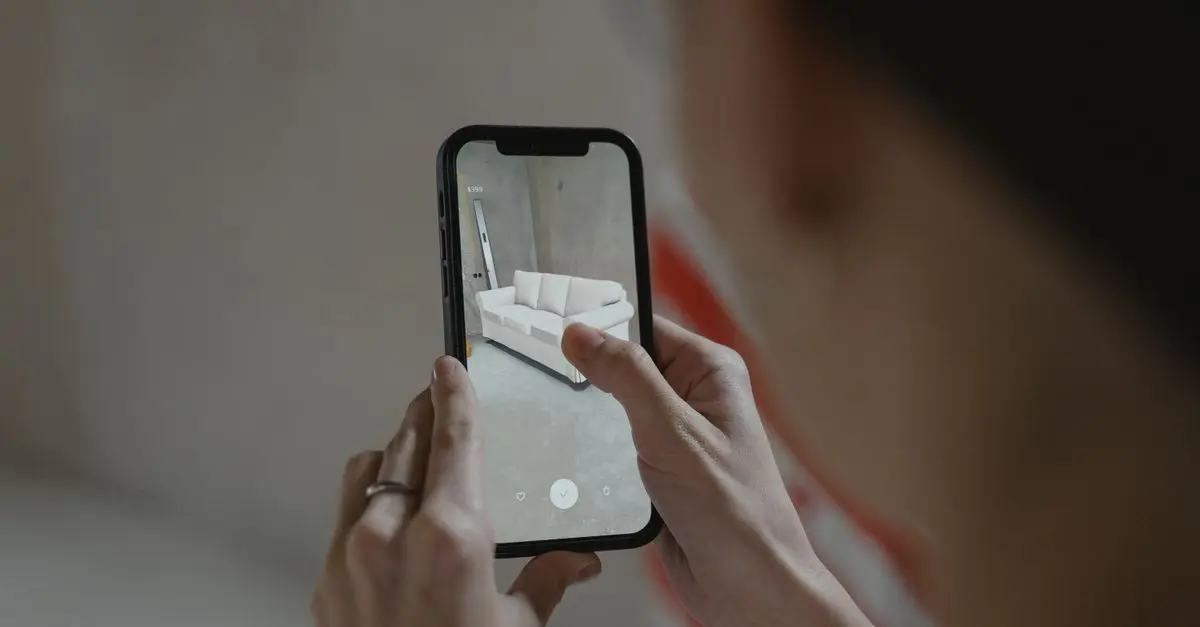
In sectors like retail, companies like IKEA have developed AR apps allowing customers to visualize how furniture items would look in their homes by overlaying them into their physical space through their smartphone cameras. This added visualization helps customers make more informed purchasing decisions and has been a huge success in driving sales.
Comparisons of AR Technologies in Mobile Phones
To understand the options available, consider looking at different technologies utilized by popular smartphone brands and how they employ AR. Below is a comparative table:
| Feature | Apple iPhone | Samsung Galaxy | Google Pixel | Microsoft Surface Duo |
|---|---|---|---|---|
| ARKit Support | Yes | Yes | Yes | Limited |
| LiDAR Sensor | Yes | No | No | No |
| Display Type | OLED | AMOLED | OLED | AMOLED |
| VR Capability | Yes | Yes | Yes | No |
| Popularity | High | Moderate | Moderate | Low |
Data Trends in Augmented Reality Adoption
Recent analyses showcase significant growth in AR software adoption. According to an Entertainment Software Association report, about 48% of mobile users in 2026 interacted with AR across different applications on their devices.
Usage Statistics
- In retail, AR has increased customer engagement rates by over 40%.
- The gaming industry anticipates revenues exceeding $11 billion in revenue driven by AR features in the coming years.
- Education, with apps that facilitate interactive learning, has seen a 45% increase in engagement among students using AR tools.
These trends indicate a shift in how mobile technology users are beginning to leverage smartphones for more than just traditional uses.
Expert Opinions on the Future of AR in Mobile Phones
> 💡 Expert Insight: According to a leading technology analyst at Counterpoint Research, “The marriage of AR with mobile phones is just scratching the surface. As AI continues to evolve, the personalization and contextualization of AR experiences will improve, potentially leading to widespread adoption in everyday life.”
This observation underscores the idea that although AR applications are currently fun and engaging, the real impact will come from the further integration of this technology into our daily lives, affecting how we shop, learn, and interact with our environments.
Frequently Asked Questions (FAQ)
- What devices are best for augmented reality?
Devices that support advanced AR features, such as the latest Apple iPhones and Samsung Galaxy models, typically offer the best experience based on their hardware.
- Is augmented reality safe for children?
Yes, but parental guidance is recommended to monitor exposure to AR content and ensure it is age-appropriate.
- How can I create my own AR experiences?
There are various development tools available, such as Unity and ARKit, which provide resources for creating AR applications.
- What is the difference between AR and VR?
Augmented reality overlays digital elements in the real world, while virtual reality creates immersive environments that can block out the physical world altogether.
📺 Resource Video
> 📺 To explore further: Watch “The Future of Augmented Reality in Smartphones,” offering an in-depth analysis of AR integration in mobile technology. Search on YouTube: “how augmented reality is used in mobile phones 2026.”
Glossary
| Term | Definition |
|---|---|
| Augmented Reality (AR) | The technology that overlays digital content onto the real world. |
| LiDAR | A technology that measures distances using laser light, enhancing depth perception in AR applications. |
| ARKit | An Apple framework that enables developers to create AR experiences for iOS devices. |
Checklist before purchasing an AR-enabled mobile phone
- [ ] Consider the camera quality
- [ ] Check for ARKit or ARCore compatibility
- [ ] Look at the processing power
- [ ] Review the display technology (OLED vs. LCD)
- [ ] Explore available AR applications in the app store
In conclusion, augmented reality is rapidly evolving and becoming an integral part of the mobile experience. As technology advances, we can expect even more innovative applications that will shape our everyday interactions. Embrace this trend, and consider how AR can enhance your personal and professional life!