Table of Contents (12 sections)
Choosing the best smartphone for your lifestyle is more than just picking a device—it's about understanding your needs and preferences in technology. In today's fast-paced world, smartphones offer a multitude of functionalities that cater explicitly to various lifestyles, be it for photography, gaming, business, or staying connected with friends and family. This guide will help you navigate through the plethora of options and select a smartphone that not only meets your requirements but also enhances your everyday experiences.
Step 1: Identify Your Needs
Before diving into the vast market of available smartphones, it’s essential to take a moment to identify your personal requirements. What do you primarily use your smartphone for? Are you an avid photographer who needs better camera specifications, a business professional requiring advanced security features, or perhaps a gamer looking for high processing power? Listing your priorities will aid in narrowing down your options signifying what functionalities are non-negotiable for you. For example, heavy gamers often benefit from high refresh rates and extensive battery life, while photography enthusiasts might prioritize camera resolution and light performance. An understanding of your needs is vital in making an informed decision.
Step 2: Consider the Operating System
The operating system (OS) plays a crucial role in your smartphone experience. The two primary OS options are Android and iOS. Android devices offer flexibility, with a wider range of hardware and customization options. Brands like Samsung and Google manufacture devices that run on Android, often appealing to tech enthusiasts. Conversely, Apple's iOS provides a seamless experience across its ecosystem of products, appealing to users who already own other Apple devices. Think about your comfort level with these systems and which ecosystem you’re inclined to join. You might also consider the types of apps you frequently use, as certain applications are better supported on specific systems—an essential factor for your ultimate satisfaction.


Step 3: Establish a Budget
Smartphones are available across a broad price range, often reflecting the specifications and brand prestige. Setting a budget can help you avoid emotional buying and stick to your requirements. It’s useful to research devices within your price range to discover what features you can expect at various price points. For instance, entry-level smartphones often have decent performance for daily tasks but might lack high-quality camera features or long-lasting battery life found in premium models. Compare several options within your price tier and consider models that provide the best value for your money. According to UFC-Que Choisir, as of 2026, the average price for a smartphone has stabilized around $600, but many good options exist below this threshold.
Step 4: Examine Key Features
Once you have a budget and understand your needs, it’s time to look at the specifications that matter most to you. Performance metrics such as processor speed (measured in GHz), RAM capacity, and internal storage are pivotal as they influence your device’s speed and efficiency. Additionally, focus on important features like battery life, camera quality, display size and resolution, durability (e.g., water resistance), and the presence of features like 5G connectivity. For instance, a Quad Camera Setup might be essential for someone keen on photography, while an expansive OLED screen benefits those who consume media on their phone regularly. Research specific smartphone models that excel in the features you deem necessary; it's common to read user reviews to gauge real-world performance.
Step 5: Compare Different Models
With your criteria established, comparing various models becomes easier. Utilize comparison sites to evaluate features side by side and analyze differences in price points, specifications, and customer satisfaction. Create a table to help visualize your options, which could include brands, model specs, unique features, and user ratings. Here's an example table to consider:
| Feature | Model A | Model B | Model C | Verdict |
|---|
Having a comparative analysis ensures that all critical aspects of each option are considered, helping you choose wisely.
Step 6: Test Your Top Choices
Visiting local electronics or mobile carrier stores offers an excellent opportunity to get hands-on with your shortlisted phones. Assess each phone’s ergonomics in your hand, screen brightness, and responsiveness. Additionally, inquire about the device's warranty, after-sales service, and upgrade policies, particularly important for long-term satisfaction. Spend adequate time interacting with the different models; it will give you a better feel about what you're purchasing. Don't shy away from asking sales representatives specific questions, as they can provide further insights into the device and inform you about ongoing promotions that might influence your decision.
Checklist before Purchase
- [ ] Identify primary smartphone needs
- [ ] Choose preferred operating system
- [ ] Set a budget limit
- [ ] Assess key specifications based on priorities
- [ ] Compare shortlisted models with a table
- [ ] Test physical models in-store
Glossary
| Term | Definition |
|---|---|
| RAM | Random Access Memory, affecting performance speed and multitasking |
| OS | Operating System, the software that supports the hardware of the device |
| Camera Quality | A measure of a phone's ability to capture clear and detailed images |
📺 Resource Video
[Comprehensive Smartphone Buying Guide of 2026]. Explore more about choosing the right smartphone! Search YouTube: best smartphone buying guide 2026.
Conclusion
Choosing the best smartphone for your lifestyle can greatly enhance your experience. Remember to identify your personal needs, evaluate device specifications, and compare potential choices rigorously. With a thoughtful approach, you can find a smartphone that not only meets your requirements but also elevates your daily activities. Ready to explore the latest and greatest options? Check out our recommended products below for curated choices tailored to various lifestyles.
📺 Pour aller plus loin : best smartphone buying guide 2026 sur YouTube
Recommended products
Selected by our experts
Smartphone Yonis noir 5.7 RAM 2 Go stockage 128 Go
Darty FR
This smartphone is designed with a strong build quality, making it ideal for users needing durability and reliability in their active lifestyle.
Etui Smartphone KITRIE Marron en cuir
3 Suisses FR
This stylish leather case is perfect for protecting your smartphone while adding elegance, suitable for both professional and casual settings.
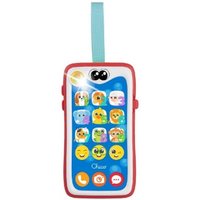
Chicco Smiley Smartphone 6-36M 1ut
DocMorris FR (ex DoctiPharma FR)
This educational smartphone for toddlers focuses on developing motor skills in young children, making it an excellent option for parents.