Table of Contents (11 sections)
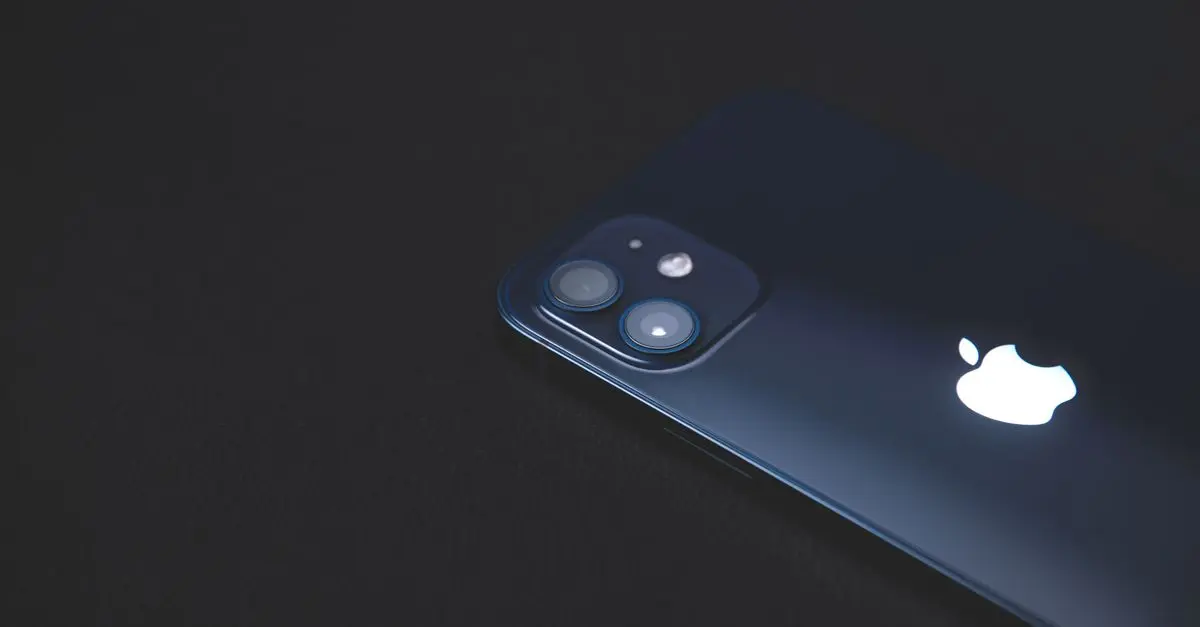
As we step into 2026, mobile photography is evolving with innovations that promise to enhance how we capture life’s moments. The future of mobile photography is intertwined with advancements in technology, user preferences, and the ever-changing landscape of social media. This article explores key trends shaping the field, providing insights and predictions based on current advancements.
1. Rise of AI-Powered Features
AI is playing an increasingly vital role in mobile photography. By 2026, smartphones are equipped with sophisticated AI algorithms that assist in image enhancement, scene detection, and real-time editing. Cameras can now automatically adjust settings based on environmental conditions, such as brightness and motion. For instance, a leading smartphone's AI features can differentiate between subjects in a frame and optimize focus and lighting for each accordingly.
Importance: This not only simplifies photography for amateurs but also empowers enthusiasts to produce studio-like images with minimal effort. According to a report by Gartner, 70% of smartphone users are likely to rely on AI features for enhancing their photos in 2026. Users report feeling more creative and inspired, knowing their device supports professional-quality results.
Analysis: As mobile brands continue to integrate AI features, we anticipate growth in user engagement on social media. Creators will likely use these enhanced capabilities to enrich storytelling, thus increasing their audience reach.
2. Improved Low-Light Performance
Low-light photography has long been a challenge, but advancements in sensor technology are making it less problematic. New image sensors, developed by companies like Sony and Samsung, have made leaps in reducing noise and improving clarity in dimly lit settings. By 2026, expect mobile devices to feature larger sensors and enhanced optical image stabilization (OIS), which will make it easier to capture stunning nightscapes.
Importance: With an increased societal focus on experiences such as nightlife photography, being able to take high-quality photos in low light will be a significant improvement for mobile photographers. Research shows that nearly 60% of Instagram images are taken in low-light settings.
Analysis: As more consumers prioritize travel and social networking, we predict that smartphones equipped with superior low-light capabilities will outpace their competitors in sales.
3. 8K Video Recording
By 2026, the norm for mobile video recording will no longer be 4K, but rather an impressive 8K resolution. Smartphones from top brands are expected to feature this high-definition quality, making it easier for users to capture cinematic experiences. This trend is partly driven by platforms that support 8K content streaming, allowing creators to broadcast their videos at previously unimaginable quality.
Importance: The demand for higher resolution video is growing, as audiences crave engaging, sharp content. Data from Statista indicates that about 30% of video content on social platforms will be 8K by 2026.
Analysis: With more consumers creating content, platforms such as YouTube and TikTok will prioritize native 8K content, further driving user engagement and the need for compatible devices.
4. Enhanced Zoom Capabilities
Advancements in optical and digital zoom technologies will redefine how users capture distant subjects. In 2026, mobile phones will feature improved telephoto lenses, allowing for optical zooms of up to 10x. This targeting of innovations will enhance the ability to shoot clear images of subjects that are relatively far away without losing quality, a feature that is crucial for wildlife and sports photography.
Importance: As travel and outdoor exploration become more popular, users need devices that allow flexibility in photography. Stats reveal that 45% of avid travelers invest more in technology that offers unique shooting capabilities.
Analysis: By boosting zoom technology, brands can cater to a growing audience passionate about photography and experience-sharing, leading to increased device sales in this segment.
5. Integration of Augmented Reality (AR)
Augmented Reality will change the landscape of mobile photography. In 2026, we will see increased implementation of AR features that allow users to interactively enhance their photos. This could involve overlays, digital effects, or real-time filters that make the taking and sharing of moments more engaging.
Importance: Studies show that engagement rates for images featuring AR elements are 50% higher than traditional photographs, enhancing user interaction on various platforms. AR's introduction into mobile photography will likely boost creativity and amusement among social media users.
Analysis: By incorporating AR elements into their cameras, smartphone manufacturers can drive usage among young consumers, enabling a new way to navigate and capture experiences.
6. Social Media Compatibility
As social media platforms continue to evolve, 2026 will see further integration between photography apps and social networks, including real-time sharing options and built-in editing tools directly linked to social media accounts. Users will be able to upload images and videos directly from camera apps with enhanced editing features to match platform standards.
Importance: This will streamline content creation processes and save time for users who often share on multiple platforms. By 2026, over 70% of mobile photographers prioritize ease of use when posting content.
Analysis: The blending of features will promote an increase in spontaneous content creation, catering to the fast-paced culture of content sharing in 2026.
7. Sustainability in Mobile Photography
With an escalating focus on environmental impact, 2026 will see smartphone manufacturers prioritizing sustainable materials and energy-efficient devices. This includes the use of recyclable materials in manufacturing and design, impacting the overall lifecycle of mobile devices used for photography.
Importance: Consumers are becoming more environmentally conscious, with surveys indicating 57% of users willing to switch brands for sustainable practices. Apple, Google, and others are already taking steps toward sustainable innovation.
Analysis: Companies that adopt sustainable practices will gain an edge in the competitive photography market, appealing to a growing demographic focused on social responsibility.
📺 Resource Video
For further insights on mobile photography trends and technology for 2026, look for videos that discuss the latest advancements in smartphone camera technologies on YouTube: latest mobile photography trends 2026.
Glossary
| Term | Definition |
|---|---|
| AI Photography | Use of artificial intelligence to enhance photos and automatic adjustments. |
| Optical Zoom | A lens mechanism that provides clear magnification without losing quality. |
| AR | Augmented Reality; technology that overlays digital information on the real world. |
Checklist before purchase
- [ ] Evaluate AI features in devices.
- [ ] Check low-light performance ratings.
- [ ] Investigate zoom capabilities.
- [ ] Review 8K video recording options.
- [ ] Look for AR functionalities.
🧠 Quiz rapide: What do you think will be the biggest trend in mobile photography in 2026?
- A) AI-Powered Features
- B) 8K Video Recording
- C) Improved Zoom Capabilities
Réponse : A — AI is expected to impact how photographs are enhanced and captured.
In conclusion, the future of mobile photography is not only about higher megapixels but a comprehensive integration of technology that enhances creativity and engagement in sharing experiences. As we approach 2026, these trends indicate an exciting time for both everyday users and professional photographers alike. To stay ahead, invest in devices that embrace these advancements, ensuring your photography skills blend seamlessly with technology and artistry.