Table of Contents (10 sections)
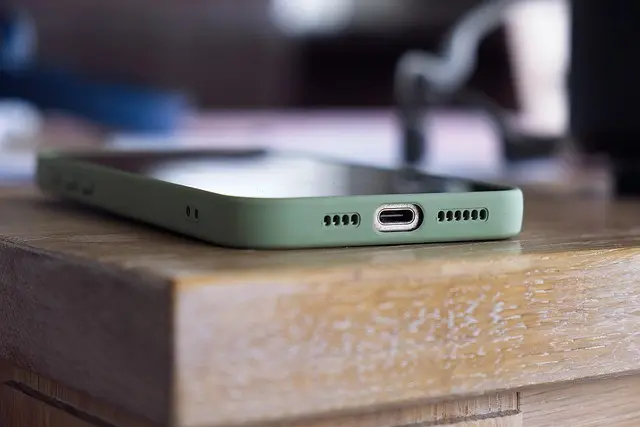
The smartphone industry has undergone a dramatic transformation in design over the years. From the first bulky mobile phones to the sleek, powerful devices we know today, smartphone design features have continuously evolved to meet the demands of users and advancements in technology. This article explores the significant changes in smartphone design and highlights the key features shaping the future.
Historical Context of Smartphone Design
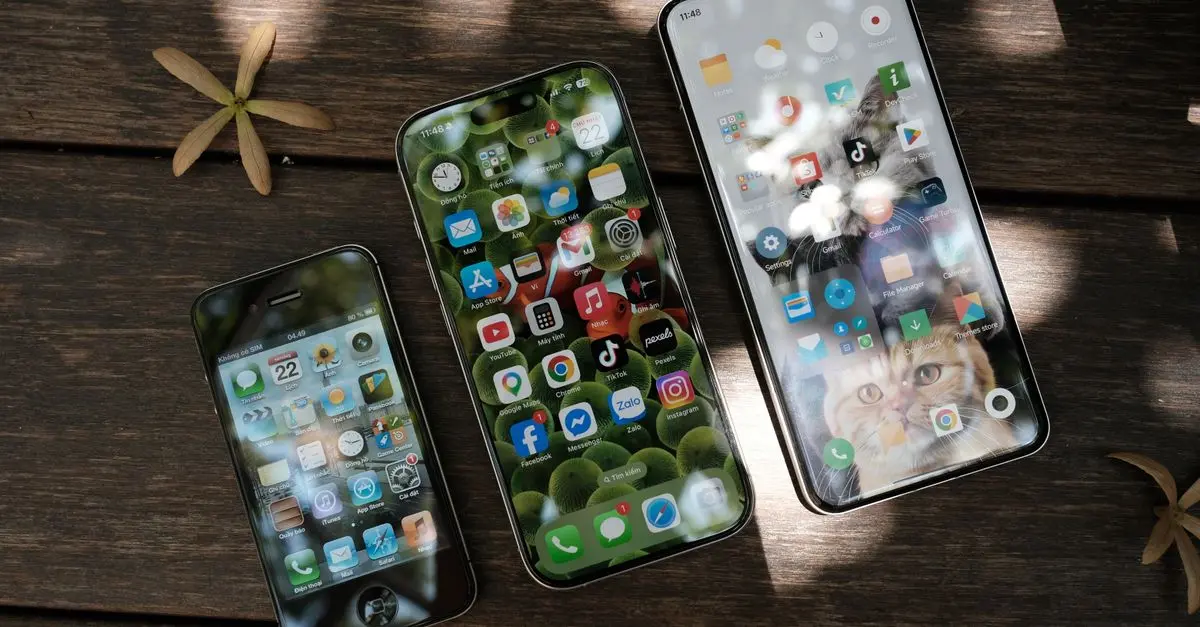
Understanding the evolution of smartphone design requires a look into its historical context. The first mobile phones were quite bulky, focusing primarily on functionality rather than aesthetics. The introduction of the iPhone in 2007 marked a significant turning point. It demonstrated the potential for a sleek design combined with a user-friendly interface, emphasizing touchscreens and intuitive navigation. This shift set a new precedent for smartphone manufacturers, encouraging a focus not only on innovative technology but also on attractive, ergonomic designs.
Fast-forward to today, and we see a trend toward minimalism, with devices prioritized for lightweight build and sophisticated aesthetics. Features like edge-to-edge displays and slim bezels have become standard. A study by Counterpoint Research indicates that 85% of consumers now consider aesthetics when purchasing a new smartphone, which has driven brands to invest more in design processes and materials.
Key Features of Modern Smartphone Design
Modern smartphones are characterized by several defining features that not only enhance usability but also significantly influence consumer purchasing decisions.
- Display Technology: Today's smartphones often employ OLED and AMOLED technology, offering vibrant colors and deep blacks. Features like high refresh rates have become common, providing smoother scrolling and better gaming experiences.
- For example, many flagship devices now boast refresh rates up to 120Hz, making animations and gameplay significantly smoother.
- Camera Innovations: The integration of multiple camera systems has enhanced smartphone photography. Features such as ultra-wide lenses, night mode capabilities, and video stabilization have made smartphones the go-to choice for amateur photographers.
- Research indicates that 70% of smartphone users prioritize camera quality when selecting a device.
- Material Choices: Premium materials like glass and ceramic are becoming commonplace. These materials not only enhance aesthetics but also offer durability against scratches and drops.
- Ergonomics: The size and weight of smartphones have been optimized for comfort, allowing for one-handed operation. Manufacturers strive to make devices that easily fit into the contours of the human hand.
- For instance, according to data by Gartner, nearly 60% of consumers prefer smartphones under 6 inches for ease of use.*
Upcoming Trends in Smartphone Design
The future of smartphone design will likely be shaped by emerging trends and consumer demands. Here are a few trends to watch:
- Foldable Screens: With devices like the Samsung Galaxy Z Fold, foldable technology allows for larger screens in compact designs. This trend is expected to grow as technology improves.
- Sustainability: Eco-friendly materials and processes are becoming essential. Consumers are more environmentally conscious, leading brands to seek sustainable practices. A survey by Deloitte shows around 50% of consumers would pay a premium for a sustainable product.
- Health Monitoring Features: As health awareness rises, integration of health monitoring sensors within smartphones is likely to increase. These may include temperature monitoring and oxygen level sensors, extending the functionality of smartphones beyond communication.
- AI-Driven Designs: Artificial intelligence is influencing design choices to enhance user experience. AI can help optimize battery life based on usage patterns, thereby improving device longevity.
- Statistical data suggests that AI integration in smartphone systems leads to a 30% enhancement in overall user satisfaction.
Analytical Breakdown of Design Trends
The following table summarizes various smartphone design trends, comparing their importance and potential impact:
| Feature | Current Trend | Consumer Impact | Prediction |
|---|---|---|---|
| Display Technology | OLED, AMOLED | Enhanced viewing experience | Continued refinement |
| Camera Systems | Multi-lens setups | High demand for photography | Industry standard |
| Material Selection | Glass and ceramic | Improved durability | Rise in alternative materials |
| Foldable Technology | Increasing acceptance | Flexibility in use | Mainstream adoption |
| Sustainability Measures | Eco-friendly materials | Positive brand perception | Growing trend |
Q1: What defines modern smartphone design features?
A1: Modern smartphone designs focus on aesthetics, functionality, and enhanced user experience with features like OLED displays and advanced camera systems.
Q2: How has smartphone design changed over the years?
A2: Smartphone design has transitioned from bulky, functional devices to sleek, lightweight models with high-quality displays and multi-camera systems.
Q3: What are the major future trends in smartphone design?
A3: Major trends include foldable screens, sustainable design practices, and AI integration to enhance user experience.
Q4: Why are camera features so important in smartphone design?
A4: With the rise of social media, high-quality camera features have become crucial for capturing moments and sharing content, influencing purchasing decisions significantly.
Glossary
| Term | Definition |
|---|---|
| OLED | Organic Light-Emitting Diode, a display technology known for its vibrant colors and deep blacks. |
| Ergonomics | The science of designing devices that fit the human body, enhancing comfort and usability. |
| Foldable Technology | A technology that allows devices to have screens that can bend, offering compactness and functionality. |
Checklist before Purchase
- [ ] Verify camera quality
- [ ] Assess screen technology
- [ ] Check materials used for durability
- [ ] Research battery performance
- [ ] Explore future-proof features (e.g., foldability)
🧠 Quiz rapide : What is the most important factor for consumers when choosing a smartphone?
- A) Price
- B) Camera Quality
- C) Brand Reputation
Réponse : B — Camera quality is prioritized by the majority of consumers, reflecting the rise of social media and personal photography.
Conclusion
As the smartphone continues to evolve, design features will play a crucial role in shaping user experiences and functionalities. The emphasis on aesthetics, ergonomics, and advanced technology signals a promising future for smartphone innovation. For those interested in enhancing their smartphone experience, we have selected several products suitable for your needs. Discover our recommendations below!


VILINICE - Noise Cancelling Headphones, Wireless Bluetooth Headphones, Over Ear Headphones with Microphone
bestbuy.com
📺 For more insights: A deep dive into the latest smartphone features in 2026, check YouTube for: latest smartphone technology trends 2026.
📺 Pour aller plus loin : latest smartphone technology trends 2026 sur YouTube
Recommended products
Selected by our experts
Nathan Super 5K Smartphone Armband
thewarmingstore.com
This lightweight and water-resistant smartphone armband is perfect for active users who want to keep their devices secure while exercising.
ili Smartphone Crossbody Organizer, Red - Red - Size: One Size
kohls.com
This stylish crossbody organizer is ideal for keeping essentials neat and secure, making it a great accessory for any smartphone user.
VILINICE - Noise Cancelling Headphones, Wireless Bluetooth Headphones, Over Ear Headphones with Microphone
bestbuy.com
These noise-canceling headphones enhance the experience of using smartphones for calls and media, catering to users seeking auditory immersion.