Table of Contents (11 sections)
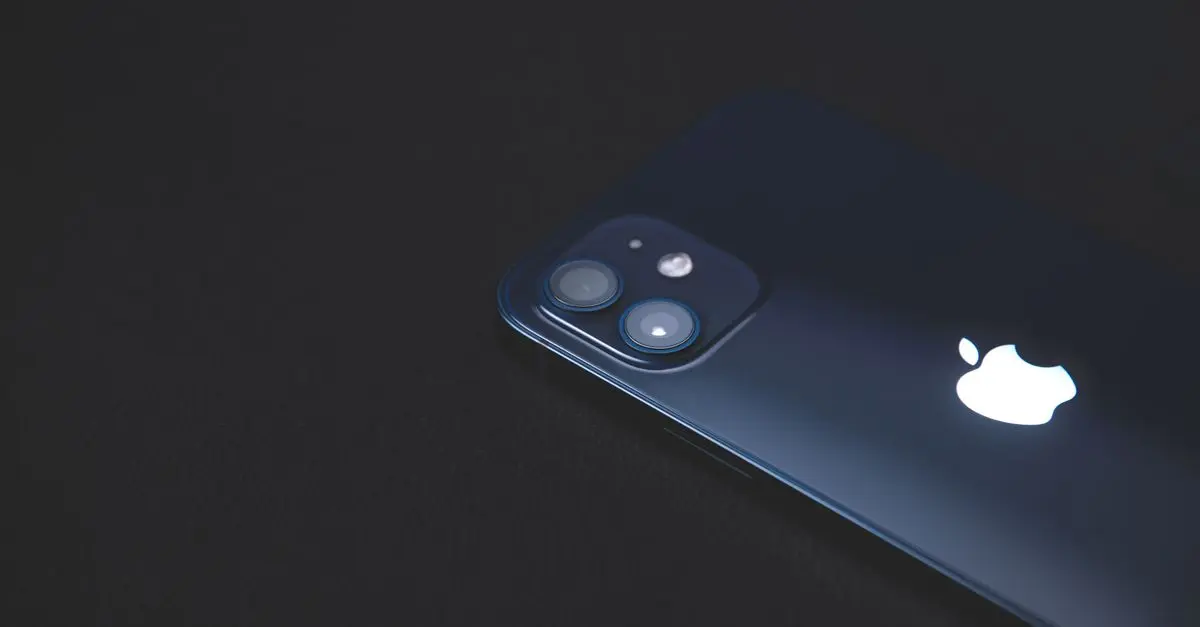
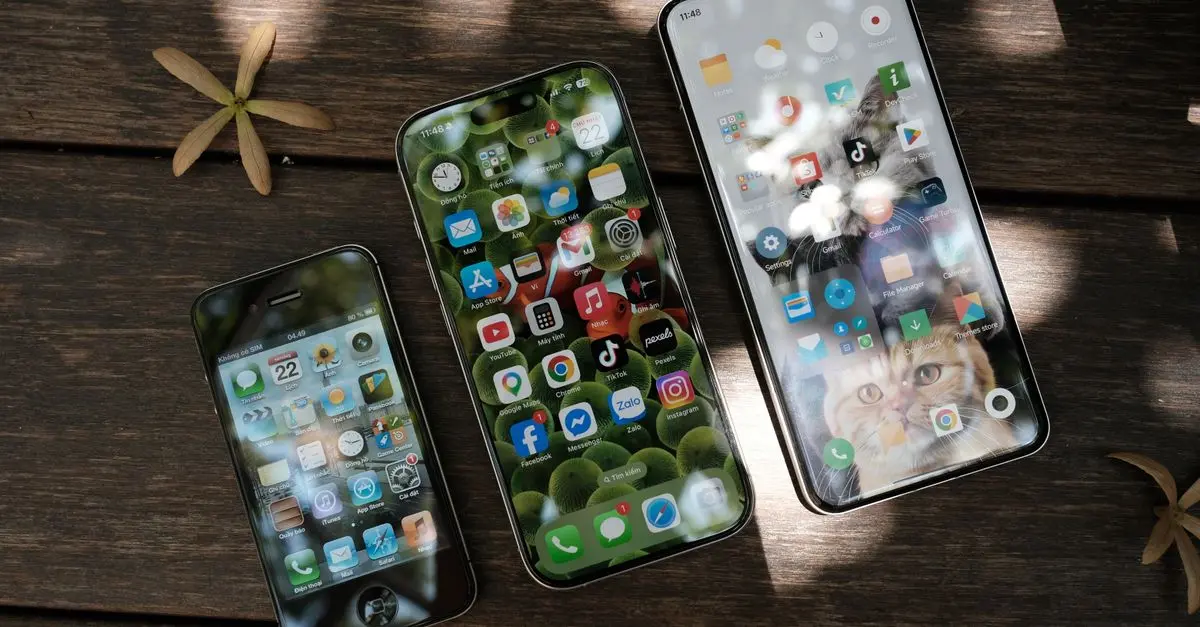
As we venture into 2026, the realm of future smartphone technology is on the brink of a significant transformation. Innovations in this space are not just about aesthetics or minor upgrades; they are reshaping how we interact with technology every day. This article explores the key features and trends that will define smartphones in the coming years, providing insights into their implications for users and the tech industry as a whole.
1. Foldable and Flexible Displays
Foldable smartphones have already made waves in the market. By 2026, this trend is expected to mature with even more advanced technologies. The introduction of flexible OLED displays allows manufacturers to create devices that can switch between a phone and a tablet. Reports indicate that Samsung, Huawei, and other tech giants are committed to developing devices that can fold and unfold seamlessly.
For example, the potential to make devices compact without sacrificing screen size caters to consumers looking for portability. The global foldable smartphone market, as projected by various studies, could exceed $50 billion by 2028, demonstrating robust consumer interest and technological capability. Moreover, innovative hinge mechanisms are being designed to withstand repeated folding, significantly enhancing durability. Such advancements promise a new era of device utility and user interaction.
2. Enhanced AI Integration
Artificial Intelligence (AI) has permeated nearly every aspect of smartphone technology, and its role is predicted to expand exponentially in the near future. By 2026, AI functionalities in smartphones will enable advanced personal assistants to provide unparalleled customization based on user preferences.
Imagine a smartphone that learns your habits and adjusts settings accordingly, optimizing battery life and performance. Companies like Google and Apple are investing substantially in machine learning algorithms for nuanced understanding of user behavior. According to a study by Gartner, the use of AI in consumer devices has led to a productivity boost of over 20%, underscoring the benefits of such enhancements. Additionally, AI-driven security applications are expected to become more prevalent, ensuring user data remains safeguarded against intrusions. This shift solidifies the promise of intelligent devices that adapt to our lifestyles.
Drop Dash Deals Screen Clip Phone Mount, Universal Smartphone Holder Screen Clip Phone Mount, Universal Smartphone Holder
inspireuplift.com


Smart Smartphone Case - For Samsung Galaxy XCover6 Pro Smartphone - Black
bestbuy.com
3. 5G and Beyond: Connectivity at New Heights
The arrival of 5G technology has revolutionized mobile connectivity, but this is just the beginning. By 2026, we expect advancements toward 6G, promising even faster download and upload speeds, with minimal latency. This leap in bandwidth will facilitate smoother streaming, enhanced gaming experiences, and the proliferation of Internet of Things (IoT) devices.
Statistics indicate that 5G subscriptions are projected to surpass 1.7 billion globally by 2026, showcasing the urgency for improved connectivity. Future smart homes and cities will depend heavily on the seamless integration of various devices communicating effortlessly with each other. Moreover, with augmented reality (AR) and virtual reality (VR) applications gaining popularity, the need for robust network capabilities cannot be overstated.
4. Sustainable Smartphone Designs
Sustainability is a growing concern for consumers and manufacturers alike. By 2026, leading smartphone brands are expected to adopt a more eco-conscious approach while developing their devices. This includes using recycled materials and implementing better recycling programs for old devices. Apple, for instance, aims to become carbon neutral by 2030, suggesting that other companies may follow suit to meet consumer demands for sustainability.
Studies show that 90% of consumers favor brands that demonstrate ecological responsibility, influencing purchasing decisions and brand loyalty. By incorporating renewable resources and minimizing electronic waste, smartphone manufacturers may not only enhance their public perception but also help contribute to a healthier planet. This shift will redefine how companies engage with their customers and the environment, intertwining technology with corporate responsibility.
5. Advanced Camera Technologies
By 2026, the competition among smartphone manufacturers will intensify dramatically regarding camera technology. As consumers increasingly rely on their smartphones for photography and videography, cutting-edge features like improved low-light capabilities, higher megapixel counts, and AI-driven enhancements are on the horizon. Companies are expected to utilize technology such as computational photography to deliver stunning images that were previously possible only with professional cameras.
For instance, Sony and Nikon are reportedly working on technologies that leverage their expertise to enhance smartphone photography, potentially providing cameras that rival DSLRs. Per a report from IDC, the smartphone camera market is projected to grow by 25% by 2028, driven by consumer demand for premium imaging experiences. With smartphones doubling as multi-functional devices, the advancements in camera technology will significantly elevate user creativity and content sharing.
6. Biometric Security Advances
As our reliance on smartphones for secure transactions continues to grow, so does the need for advanced security features. By 2026, we can anticipate biotechnological innovations like palm recognition or voice authentication alongside current fingerprint and facial recognition technologies. Such features will make smartphones more secure while ensuring that convenience doesn’t compromise security.
According to research from Statista, over 60% of consumers are concerned about data breaches, implying that the demand for superior biometric solutions is paramount. By blending convenience with security, these innovations will not only cater to user demands but also fortify privacy measures.

MOVO - PR-1 Smartphone Grip Handle Rig - Compatible with Most Smartphones
bestbuy.com

Movo PR-1 Smartphone Grip Handle Rig - Compatible with Most Smartphones black
shop.simon.com

Conclusion
The future of smartphone technology is poised to bring incredible innovations that enhance our daily lives. The trends discussed—from foldable displays to sustainable manufacturing practices—will fundamentally alter our relationship with these devices. Consumers must stay informed about these advancements to make educated purchasing decisions as we step into a new era of connectivity and convenience.
📺 For more insights:
Check out this video on the future of smartphone technology by searching: "advancements in smartphone technology 2026".
Glossary
| Terme | Définition |
|---|---|
| 5G Technology | A fifth-generation mobile network known for providing higher speeds and lower latency than 4G. |
| Artificial Intelligence (AI) | The simulation of human intelligence processes by machines, making devices smarter in their functionalities. |
| Sustainability | The practice of maintaining ecological balance, focusing on reducing the impact on the environment in technology use. |
Checklist before purchase
- [ ] Research the latest camera technology in smartphones.
- [ ] Evaluate the sustainability practices of your preferred brands.
- [ ] Consider the advancements in AI features.
- [ ] Check compatibility with 5G networks.
- [ ] Look for foldable designs and their practical applications.
🧠 Quiz rapide: What feature do you think will be most crucial in future smartphones?
- A) Foldable Displays
- B) AI Integration
- C) Sustainability
Réponse : A — Foldable displays will revolutionize how we use smartphones by combining size and functionality.
We invite you to explore our recommendations below for products that align perfectly with these emerging trends!
📺 Pour aller plus loin : advancements in smartphone technology 2026 sur YouTube
Recommended products
Selected by our experts