Table of Contents (10 sections)
In the ever-evolving world of technology, smartphone design innovations are on the forefront of transforming user experiences and enhancing functionality. As we look into 2026, several key trends are emerging that not only redefine aesthetics but also enhance usability and performance. This article delves into the most exciting new designs in smartphones that are shaping the future of mobile technology.
1. Foldable Screens: Redefining Portability
One of the most significant design innovations in recent years has been the introduction of foldable screens. This technology allows smartphones to feature larger displays while maintaining a compact form factor. Devices like the latest models from Samsung and other key players have revolutionized how users interact with their phones. The ability to unfold a device to reveal a tablet-sized screen while still fitting in a pocket is a game changer.
According to a report by Counterpoint Research, the global foldable smartphone market is expected to reach nearly 27 million units by the end of 2026, marking a significant increase in consumer interest. This trend not only caters to multitaskers who want to maximize their screen space but also to those seeking unique designs that stand out. The innovation has spurred manufacturers to explore materials like ultra-thin glass and flexible displays, pushing the boundaries of durability and usability. Feedback from users suggests that foldable smartphones are not just gimmicks; they offer real benefits, particularly for productivity and media consumption.
2. Eco-Friendly Materials: Sustainability Meets Style
As environmental concerns become more prominent, smartphone manufacturers are beginning to adopt sustainable materials for their devices. Innovations such as biodegradable plastics, recycled metals, and even plant-based materials are emerging in new smartphone designs. This shift aligns with consumer demand for environmentally friendly products and places brands at the forefront of sustainability.
A report from Gartner indicates that nearly 60% of consumers are willing to pay more for products that are made with sustainable practices. Companies like Apple and Huawei are leading the way with initiatives aimed at reducing their carbon footprints and increasing recycling efforts. For instance, some smartphones now feature casings made from recycled aluminum and use environmentally friendly packaging. This trend does not only appeal to eco-conscious consumers but also enhances brand loyalty as users identify with brands prioritizing the planet.
3. Enhanced Camera Systems: The Rise of Mobile Photography
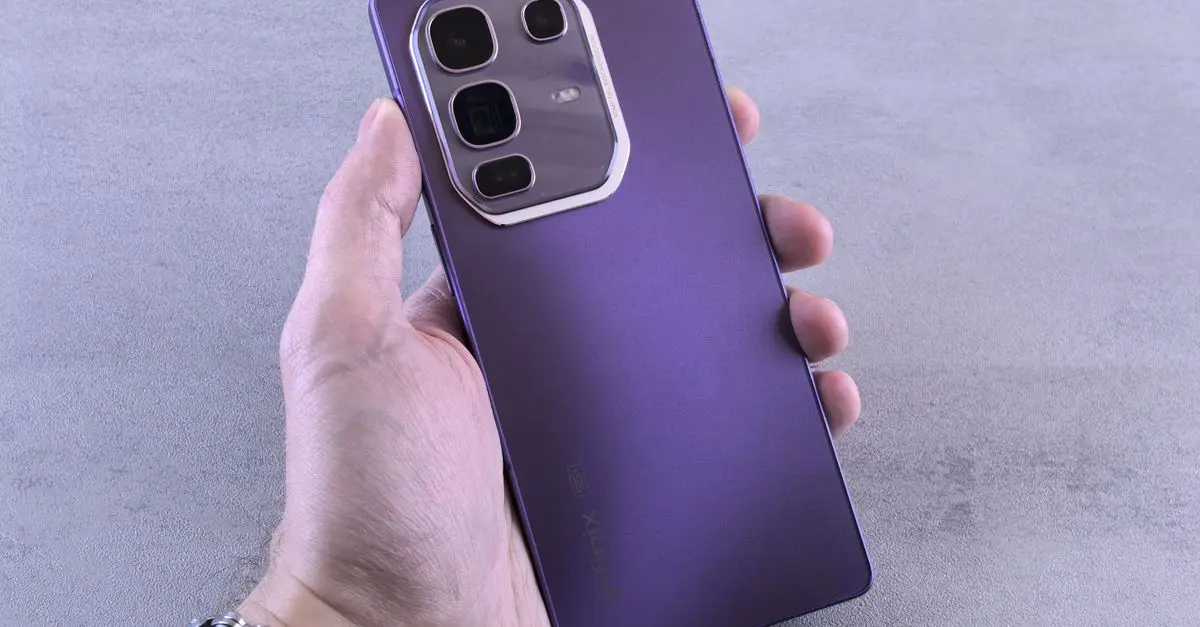
With the surge in social media and content creation, smartphone manufacturers are increasingly focusing on camera innovations. Features such as multiple lenses, improved low-light performance, and AI-driven enhancements are becoming standard. The latest smartphones now offer capabilities that rival traditional cameras, making them essential tools for photography enthusiasts.
Data from Statista projects that the global mobile photography market will reach $195 billion by 2026. The integration of advanced technologies, such as computational photography and real-time editing, allows users to capture professional-quality images directly from their devices. Furthermore, companies are incorporating features like optical zoom, wide-angle lenses, and even 3D imaging capabilities to cater to diverse user needs. This trend signifies a shift in how consumers perceive smartphones, not merely as communication tools but as versatile content creation devices.
4. AI-Powered User Interfaces: Personalization at its Best
As artificial intelligence continues to evolve, smartphones are being designed with AI-powered user interfaces that enhance personalization and user experience. Innovations such as voice recognition, gesture control, and predictive text input are becoming integral to smartphone design.
According to McKinsey, AI applications in smartphones are expected to grow exponentially, significantly enhancing user interaction. Systems that learn from user behavior and preferences can automate tasks and provide tailored suggestions, making devices more intuitive. For example, smartphones can now adjust settings based on location, automatically change themes based on the time of day, or even suggest apps based on usage patterns. This level of personalization not only enhances user satisfaction but also encourages more profound engagement with the device.
5. Minimalistic Designs: Aesthetic Simplification
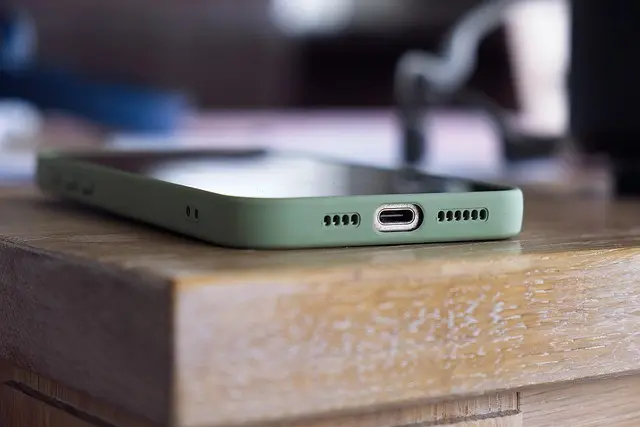
In recent years, there has been a noticeable trend toward minimalistic designs in smartphones. Manufacturers are opting for sleeker, cleaner lines and fewer buttons or ports. The shift towards integrated features and streamlined designs appeals to consumers craving simplicity and elegance.
Google's Pixel line, for example, embraces minimalism with a focus on simplicity and functionality, allowing users to enjoy a distraction-free experience. This design principle not only caters to aesthetic preferences but also enhances durability by reducing the number of potential weak points in the device. A study by Nielsen Norman Group suggests that a minimalistic interface can improve user interaction by reducing cognitive load and enhancing focus. This trend is likely to continue evolving as users seek out devices that seamlessly integrate into their lives without unnecessary complexity.
📺 For further insights: Deep Dive into Smartphone Design Trends,
explore detailed reviews and innovative approaches in smartphone design. Search on YouTube: latest smartphone design innovations 2026.
Glossary
| Terme | Définition |
|---|---|
| Foldable Screens | Technology allowing smartphone displays to fold, maximizing screen size while keeping compact. |
| Eco-Friendly Materials | Sustainable materials used in smartphone manufacturing to reduce environmental impact. |
| AI-Powered Interfaces | Smart interfaces that learn user preferences and behaviors for a personalized experience. |
Checklist avant achat
- [ ] Explore the latest trends in foldable technology.
- [ ] Check which brands use sustainable materials.
- [ ] Compare camera features across different models.
- [ ] Investigate AI capabilities of user interfaces.
- [ ] Assess design preferences for minimalism versus functionality.
📺 Pour aller plus loin : 10 Upcoming Smartphones in 2026 That Will Change The Game! sur YouTube
Recommended products
Selected by our experts