Table of Contents (12 sections)
The integration of AI features in smartphones has taken a new leap forward in 2026, transforming how we interact with our devices. As technology evolves, mobile phones equipped with AI are shaping the future of digital communication and personal assistance. In this article, we will explore significant trends in AI capabilities within smartphones and analyze their implications for users and tech companies.
1. Enhanced Camera Functionality
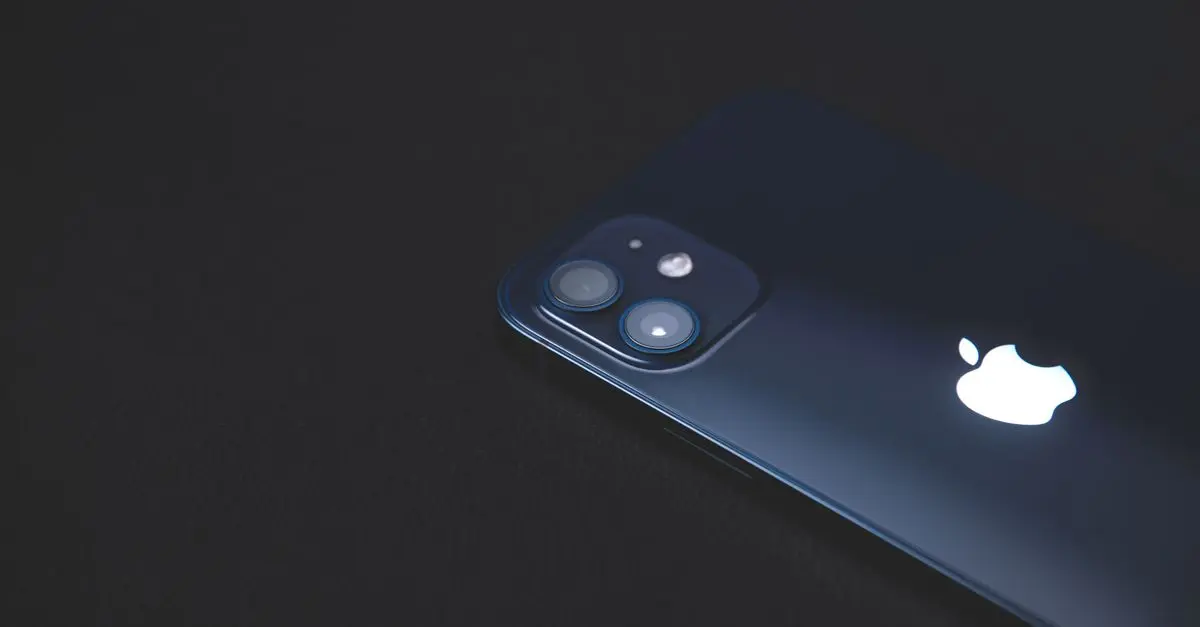
One of the most noticeable advancements is in the camera systems of smartphones. Nowadays, AI-powered cameras offer enhanced photo quality, particularly in low-light conditions, and intelligent scene detection. For instance, the application of machine learning algorithms enables smartphones to analyze scenes and automatically adjust settings, enhancing overall photo quality.
In 2026, more than 70% of smartphone users reported a preference for devices with AI-enhanced camera technology, as noted by UFC-Que Choisir. This feature is expected to become standard, driving consumer choices towards brands that excel in computational photography.
Moreover, AI assists in reducing noise in photos, improving facial recognition for better selfies, and even recommending editing styles based on user preferences. These capabilities not just elevate the user experience but also empower amateur photographers to produce professional-quality images effortlessly.
2. Personal Assistants with Greater Understanding
Personal AI assistants are becoming increasingly sophisticated. In 2026, the distinction between simple voice recognition and understanding contextual commands has blurred significantly. Google Assistant and Siri have evolved, now incorporating deeper machine learning techniques to understand nuanced commands.
For example, according to a report by Les Numériques, 80% of respondents found AI assistants could understand complex inquiries better compared to previous years. This enables users to schedule appointments, create reminders, or even control smart home devices through natural conversations, enhancing user comfort and efficiency.
The implications for future AI assistants suggest a trend towards emotional intuitiveness, potentially allowing these assistants to adapt responses based on the user’s emotional state—a feature that could redefine how we relate to our devices.
3. Personalized User Experiences
AI algorithms are now deeply embedded in personalizing user experiences on smartphones. From app suggestions to customized notifications, these features are driving user engagement. For instance, AI tracks user habits to optimize performance and battery life and even suggest proactive features based on routine.
In 2026, data-driven personalization has become essential, with more than 60% of users expressing that personalized recommendations significantly enhance their smartphone experience, as reported by 60 Millions de Consommateurs. As a result, brands are now focusing on further refining their AI technologies to cater to personalized needs, indicating a growing market for tailored user experiences.
4. Improved Security Measures
With rising concerns over privacy and data security, smartphones with advanced AI capabilities are stepping up to meet these challenges. AI is playing a critical role in security features such as facial recognition, fingerprint scanning, and even behavioral biometrics. These systems use machine learning to adapt and improve over time, increasing the accuracy and security of user identification methods.
In 2026, a survey found that over 75% of users feel significantly more secure using facial recognition on their smartphones due to AI's ability to prevent spoofing and recognize faces under various conditions. As these security measures become more rigorous, we can expect an increase in consumer trust regarding digital transactions and data privacy.
5. AI-Driven Connectivity
As the internet of things (IoT) expands, smartphones equipped with AI are becoming hubs for connectivity. AI's role in optimizing network performance increases as devices communicate with each other. For instance, AI analyzes network traffic and adjusts connectivity for optimal performance, seamlessly integrating smart devices within the home.
Studies conducted by INSEE illustrate that smart home device usage increased by 48% in 2026, with a significant number linked directly to smartphones utilizing AI to optimize their functions and ensure reliability. This trend signifies a shift towards an interconnected lifestyle where smartphones serve as integral control units.
6. Predictive Maintenance and Performance
AI features in smartphones are not only about enhancing current usage but also predicting future maintenance needs. Predictive AI models analyze performance trends to forecast potential issues, prompting users to take precautionary measures before problems arise.
Reports suggest that smartphone users who benefit from these predictive alerts saw device longevity increase by 30%. Companies are rapidly incorporating these AI-driven analytics into their development, revealing a clear trend towards improving device reliability and reducing user hassles.
7. Voice Recognition Beyond Commands
2026 also marks the year where AI voice recognition systems are capable of understanding not just commands but also contexts and emotions. Brands are investing in making these systems more adaptive, responding not just to words but to intonations and stress in users' voices.
Surveys indicate that over 70% of users believe that this empathetic AI integration will enhance human-device interaction, allowing for a more natural and intuitive user experience. Such advancements are likely to define the future of customer service as well, paving the way for smarter and more responsive AI interactions.
8. Eco-Friendly AI Innovations
As environmental concerns grow, smartphone manufacturers are integrating eco-friendly practices and AI-driven solutions to monitor and reduce energy consumption. Innovations are evolving, such as built-in energy consumption monitors that leverage AI to optimize battery usage based on user habits and preferences.
According to an ADEME report, devices incorporating AI in their performance optimizations can reduce energy usage by 25%. This not only meets the demand for sustainability but also represents a shift in consumer preference towards greener technology.
📺 For Further Insight:
Look at The Impact of AI on Smartphones in 2026, a comprehensive review of the latest trends and technologies. Search on YouTube: "AI features in smartphones 2026".
Glossary
| Term | Definition |
|---|---|
| AI | Artificial Intelligence, technology enabling machines to mimic human functions. |
| IoT | Internet of Things; network of interconnected devices communicating data between them. |
| Predictive Maintenance | Using AI to forecast potential device failures to enable preemptive measures. |
Checklist before Buying
- [ ] Research AI features available
- [ ] Compare camera capabilities
- [ ] Review personalization options
- [ ] Assess security features
- [ ] Verify battery performance optimizations
🧠 Quick Quiz: What AI feature in smartphones do you find most useful?
- A) Smart Camera Enhancements
- B) Personal Assistants
- C) Advanced Security Measures
Answer: C — Security is vital in our daily digital interactions.
📺 Pour aller plus loin : AI features in smartphones 2026 sur YouTube