Table of Contents (15 sections)
Smartphones have become an integral part of our lives, evolving rapidly with each advancement in technology. In 2026, certain features stand out not only for their innovation but also for their profound impact on how we interact with these devices. This article will delve into the top smartphone features that are driving technology forward, providing insights and context to help you understand their significance.
1. Advanced Camera Systems
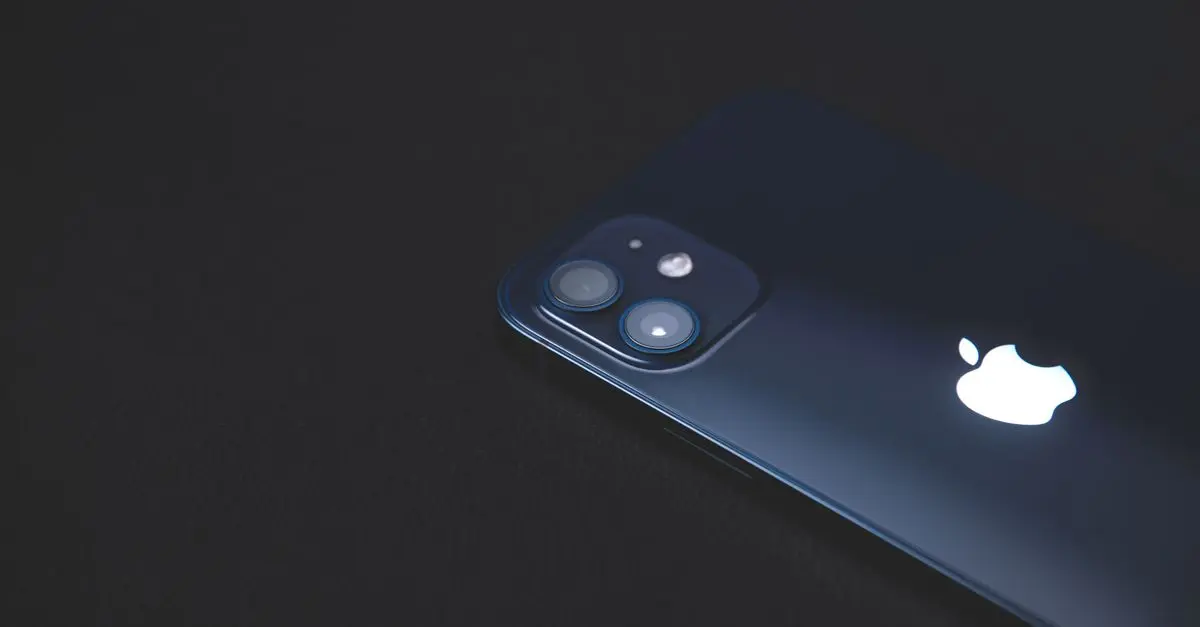
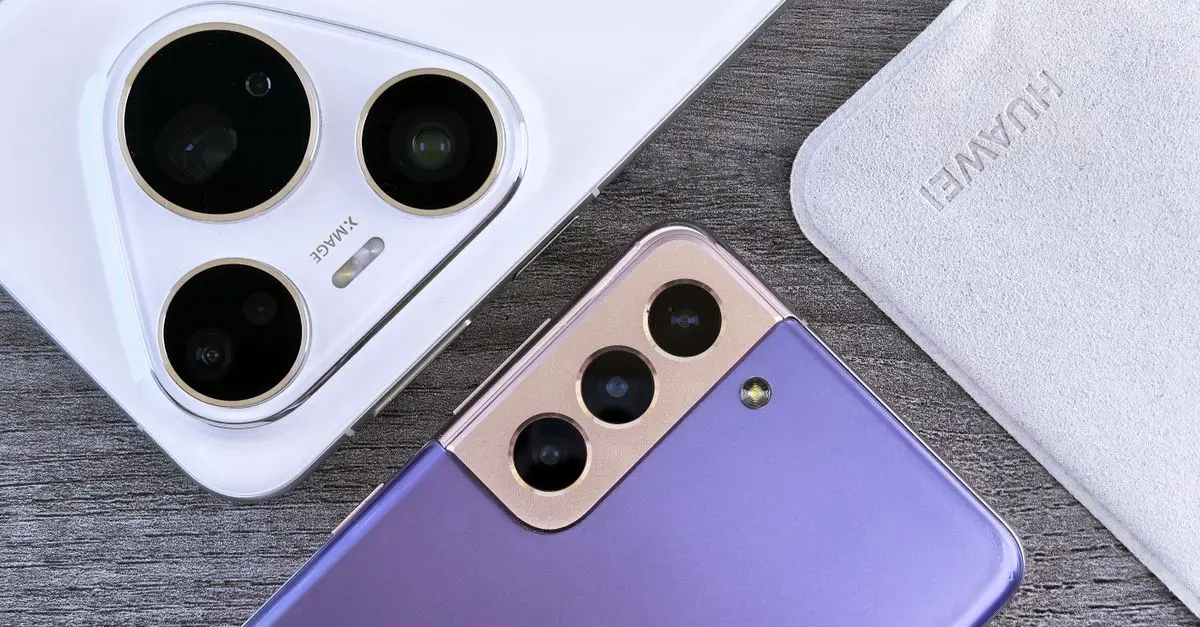
The evolution of smartphone camera systems is one of the most talked-about advancements in recent years. Today's smartphones often feature multiple lenses, advanced sensors, and AI-driven software enhancements. This allows users to capture professional-quality images and videos effortlessly.
For instance, dual and triple-camera setups enable devices to provide wide-angle shots, macro photography, and depth effects—features that previously required standalone cameras. Data from Gartner in 2025 indicates a 30% increase in social media engagement attributed to the use of smartphone photography. With the rise of platforms emphasizing visual content, having an advanced camera system has become a necessity for many users. Moreover, the integration of low-light performance and night mode ensures that great photography is possible in various lighting conditions.
2. 5G Connectivity
One of the most critical features shaping smartphone technology is 5G connectivity. With data speeds up to 100 times faster than 4G, 5G enables smoother streaming, quicker downloads, and enhanced online gaming experiences. As of 2026, data from the International Telecommunications Union (ITU) showed that 5G subscriptions surpassed 1 billion globally.
This technology also supports IoT devices, paving the way for smarter homes and cities. The improvements in connectivity mean that users can enjoy uninterrupted experiences, whether they're watching a high-definition movie or participating in a video call while traveling. Additionally, 5G's low latency is crucial for applications like augmented and virtual reality, making these technologies more accessible and usable than ever.


3. AI Integration
The integration of artificial intelligence (AI) is transforming how smartphones function. From personal assistants that learn and adapt to user preferences, to camera systems that automatically optimize settings based on the environment, AI has made smartphones smarter. According to a report from IDC, 75% of smartphone users consider AI features, like voice recognition and image enhancement, essential for their overall device experience.
In 2026, we see AI playing a more significant role in predictive text, scheduling, and email management, helping users manage their daily tasks more efficiently. Furthermore, personalized recommendations powered by AI mean that users can receive instant access to content that resonates with their interests.
4. Enhanced Security Features
As smartphones increasingly become a gateway to sensitive personal and financial information, security features have grown more sophisticated. Biometric authentication methods, such as facial recognition and fingerprint scanning, are now standard. In 2026, manufacturers are implementing more robust encryption protocols and hardware-based security features, which are essential in combating cyber threats. According to Statista, 50% of consumers rated security as their primary concern when choosing smartphones.
Additionally, built-in software that monitors suspicious activity adds an extra layer of security. Features like two-factor authentication and secure hardware elements help ensure that users can confidently utilize their smartphones for sensitive transactions, such as banking or shopping online.
5. Sustainable Design and Materials
As sustainability becomes a significant focus across all industries, smartphone manufacturers are also taking actions to reduce their environmental impact. In 2026, we see companies prominently using recycled materials in their device constructions and packaging. This shift not only lessens the carbon footprint but also appeals to a growing market of eco-conscious consumers.
Reports from Green Tech Media highlight that 70% of consumers are willing to pay more for a device made from sustainable materials. Features such as energy-efficient charging, modular designs for easy repairs, and initiatives for device recycling programs enhance sustainable practices in the smartphone industry. Additionally, software updates that extend the life of devices further contribute to environmental responsibility, ensuring consumers can make sustainable choices without sacrificing functionality.
Comparative Table
| Feature | Previous Generation | Current Generation | Future Expectations |
|---|---|---|---|
| Camera Systems | Single Lens | Multi-lens setups | AI enhancements |
| Connectivity | 4G | 5G | 6G capabilities |
| AI Integration | Minimal | Advanced usage | Fully integrated |
| Security Features | Basic | Biometric and AI | Quantum encryption |
| Sustainable Materials | Limited | Recycled components | Fully sustainable |


📺 Resource Vidéo
> 📺 For deeper insights: Explore the latest smartphone technology innovations, including features that are making headlines in 2026. Search on YouTube: "latest smartphone features 2026".
What smartphone features should I look for in 2026?
In 2026, focus on advanced camera systems, 5G connectivity, AI integration, enhanced security features, and sustainable design.
How does 5G improve smartphone functionality?
5G improves functionality by offering significantly faster data speeds, reduced latency, and supporting a higher number of connected devices, enhancing streaming and gaming experiences.
What is the role of AI in modern smartphones?
AI personalizes user experiences, enhances photography, improves voice assistant functionalities, and streamlines daily tasks.
Why is security important in smartphone features?
As smartphones store sensitive data, robust security features protect against unauthorized access and cyber threats, ensuring user safety and privacy.
Glossaire
| Terme | Définition |
|---|---|
| 5G | Cinquième génération de technologie mobile offrant des vitesses de connexion inédites. |
| AI (Intelligence Artificielle) | Technologie permettant aux machines de simuler l'intelligence humaine et d'apprendre des données. |
| Biométrie | Méthode de sécurité utilisant des caractéristiques physiques humaines, comme les empreintes digitales. |
Checklist avant achat
- [ ] Vérifier la qualité de la caméra
- [ ] Confirmer la connectivité 5G
- [ ] S'assurer de l'intégration AI
- [ ] Évaluer les caractéristiques de sécurité
- [ ] Considérer l'impact environnemental
Explore our product recommendations below to complement your smartphone experience!
With the rapid evolution of smartphone technology, staying informed about the latest features ensures you make savvy choices. Whether you're a photography enthusiast, a tech aficionado, or a sustainability advocate, the advancements of 2026 have something to offer everyone. So, explore, engage, and elevate your smartphone experience!
📺 Pour aller plus loin : latest smartphone features 2026 sur YouTube
Recommended products
Selected by our experts