Table of Contents (11 sections)
In the realm of modern technology, the evolution of smartphone features has continuously redefined user experience. With each passing year, innovations emerge that shape how we communicate, work, and entertain ourselves. Understanding these advancements not only enhances our appreciation of technology but also helps us make informed decisions when choosing devices that best suit our needs. This article explores the top five smartphone features revolutionizing user experience in 2026.
1. Adaptive Display Technology
Adaptive display technology is more than just a feature; it’s a game changer. Smartphones equipped with this technology can automatically adjust their brightness, contrast, and refresh rate based on ambient lighting conditions and the content displayed. For instance, a brighter screen in daylight enhances visibility, while a dimmer screen at night reduces eye strain. According to research conducted by The Display Industry Association, devices that utilize adaptive displays improve battery life by up to 20% and enhance user comfort significantly. This means users can enjoy extended screen time without the worry of frequent recharging. The future lies in this adaptive approach, where screens are not static but intelligent, optimizing every interaction.
2. AI-Powered Personal Assistants
The rise of AI-powered personal assistants has fundamentally transformed user experience. These virtual companions learn from user behavior and preferences, providing a personalized experience that simplifies daily tasks. For example, with voice commands, users can manage schedules, send messages, or control smart home devices hands-free. According to a survey conducted by Pew Research Center, 73% of smartphone users reported that personal assistants improved their productivity. By prioritizing user needs and continuously adapting, these assistants enhance satisfaction, making technology feel more accessible and user-friendly.


3. Enhanced Security Features
In our digital age, security is paramount. Modern smartphones integrate biometric authentication, featuring advanced facial recognition and fingerprint scanning. These methods not only enhance security but also streamline the login process for various applications. A report by Cybersecurity & Infrastructure Security Agency (CISA) states that devices with biometric features have seen a 60% decrease in unauthorized access attempts. This security revolution ensures that users can access their devices and personal data with confidence, knowing that advanced technologies protect them from potential threats. As smartphones continue to evolve, we can expect even more robust security measures to safeguard our digital lives.
4. Multi-Functional Camera Systems
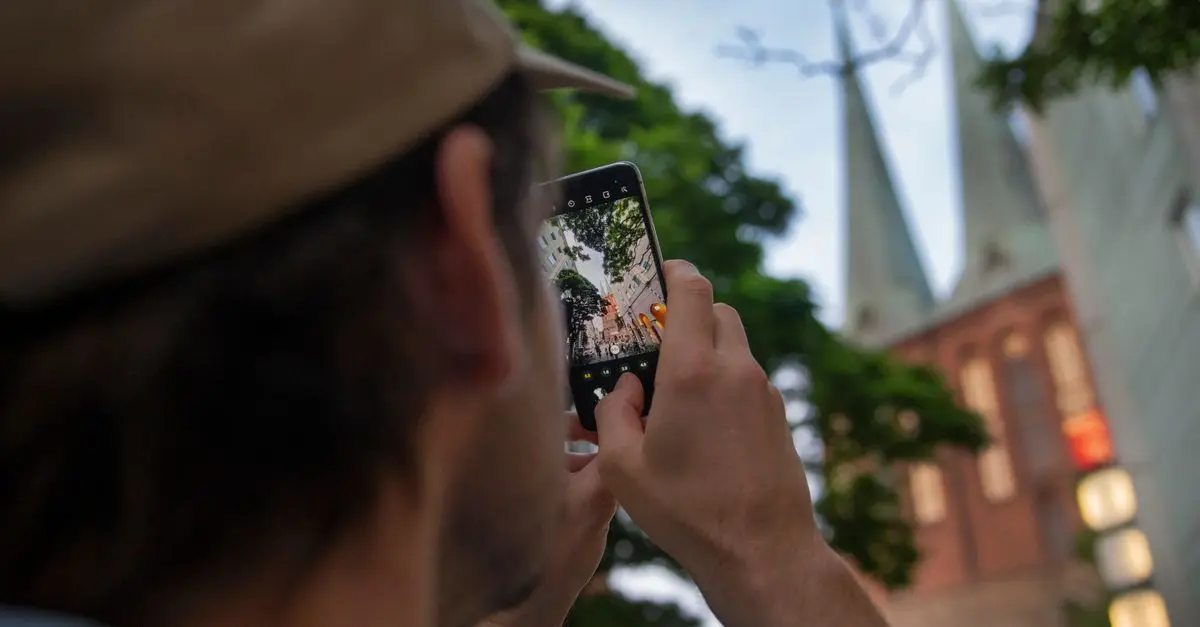
Camera technology in smartphones has evolved rapidly, leading to the development of multi-functional camera systems. This feature allows users to capture high-quality images and videos, enhancing creativity and storytelling capabilities. Modern smartphones often include multiple lenses, offering various perspectives and features such as macro photography, night mode, and 4K video recording. CNET has reported that smartphones with advanced camera systems are leading a surge in amateur photography, with a 40% increase in user-generated content on social platforms. This advancement empowers users to explore their creative potential, making photography more inclusive than ever.
5. Advanced Connectivity Options
The advent of 5G technology has revolutionized connectivity, offering unprecedented speeds and lower latency. This means users can enjoy smoother streaming, faster downloads, and an overall enhanced online experience. According to OpenSignal, 5G networks have the potential to increase mobile internet speeds by up to 100 times compared to 4G. Such advancements not only improve communication but also enhance gaming and augmented reality experiences, allowing users to engage with content like never before. The future of connectivity is here, and it promises to keep enhancing the way we interact with the world around us.
📺 For more insights:
Explore a detailed analysis of the latest smartphone innovations by searching on YouTube: 2026 top smartphone features review.


Glossary
| Term | Definition |
|---|---|
| Adaptive Display | A technology that adjusts screen properties based on ambient conditions for improved visibility and battery efficiency. |
| AI Personal Assistant | A software that utilizes artificial intelligence to perform tasks on behalf of users based on learned behavior and preferences. |
| 5G Connectivity | The fifth generation of mobile networks, offering faster speeds, lower latency, and improved connectivity for mobile devices. |
Checklist before purchase
- [ ] Determine if adaptive display is essential for daily use
- [ ] Evaluate the effectiveness of the AI personal assistant
- [ ] Assess security features according to personal needs
- [ ] Check camera functionalities for photography requirements
- [ ] Verify compatibility with 5G networks in your area
Quick Quiz
> 🧠 Quick quiz: What is the primary benefit of adaptive display technology in smartphones?
> - A) Increased battery life
> - B) Enhanced gaming experience
> - C) Improved photo quality
> Answer: A — Adaptive displays automatically optimize brightness and contrast, leading to better battery efficiency.
In conclusion, as smartphones continue to evolve, these features significantly enhance the user experience. By integrating technology, design, and user-centric functionality, manufactures are redefining our relationship with our devices. Choose wisely based on these innovations, and explore our recommendations below to find the perfect smartphone that meets all your needs.
📺 Pour aller plus loin : 2026 top smartphone features review sur YouTube
Recommended products
Selected by our experts


