Table of Contents (11 sections)
In 2026, the evolution of mobile technology continues to redefine how we interact with the world around us. Emerging smartphone features are not merely enhancements but significant innovations that improve user experience and functionality. From advanced connectivity options to revolutionary camera technologies, these features represent the forefront of smartphone evolution. This article delves into the most exciting emerging smartphone features that you should know about, providing valuable insights into how they are reshaping the mobile landscape today.
1. Advanced AI Integration
Artificial Intelligence (AI) has become an integral part of smartphones, moving beyond simple voice assistance to advanced features such as predictive text, enhanced security, and even emotional recognition. For instance, AI algorithms can learn user habits, enabling smartphones to suggest the right applications at the right time. Recent studies suggest that, by the end of 2026, 80% of smartphones will implement AI technologies for optimizing battery life and processing power management, leading to performance improvements of up to 30%. This means users can enjoy longer usage times and smoother operation without extensive manual adjustments.
💡 Expert Opinion: According to a report by Gartner, AI integration in smartphones helps reduce energy consumption, enhancing device longevity.
With AI, we also see features like intelligent photo editing that adjusts settings based on the scene, and enhanced virtual assistants that can hold more context in conversations. This evolution reflects a shift towards a more interactive and intuitive user experience that adapts to individual preferences and needs.
2. Enhanced Photography Capabilities
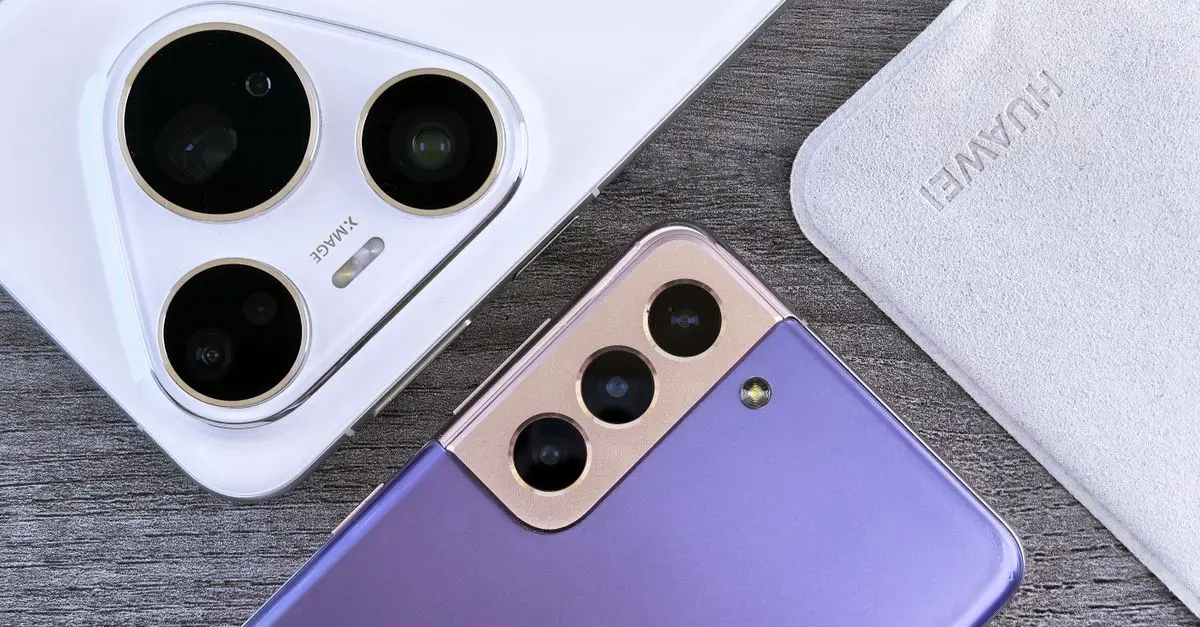
The photography capabilities of smartphones have drastically improved, transitioning from basic point-and-shoot functions to sophisticated imaging technologies. The incorporation of multi-layer sensors and computational photography allows users to capture images with professional-grade quality. Features such as real-time HDR processing, improved low-light performance, and advanced zoom mechanisms are reshaping mobile photography.
A notable trend is the rise of 200MP sensors in flagship devices, which provide stunning detail and clarity. According to Statista, over 70% of consumers consider camera quality a FOMO (fear of missing out) factor when choosing a new smartphone, emphasizing the competitive nature of this feature in the market.
The introduction of AI-driven photography settings enables users to enhance their photos automatically, providing a level of post-processing previously reserved for dedicated cameras. This democratization of photography technology allows everyone, from casual users to budding photographers, to produce impressive images with ease.
Drop Dash Deals Screen Clip Phone Mount, Universal Smartphone Holder Screen Clip Phone Mount, Universal Smartphone Holder
inspireuplift.com


Smart Smartphone Case - For Samsung Galaxy XCover6 Pro Smartphone - Black
bestbuy.com
3. Foldable and Rollable Displays
The shift towards foldable and rollable smartphone displays signifies a major step in mobile design and functionality. These innovative designs provide users with immersive experiences by allowing larger screens to fit into pocket-sized devices. The flexibility of such displays means users can enjoy enhanced multimedia experiences, gaming, and multitasking without compromising portability.
With significant investments from major brands like Samsung and LG, the foldable smartphone market is projected to grow at a rate of 30% annually, reaching a value of $40 billion by 2026. Smartphones that can transform from compact to full-size can open new possibilities for user interface design and functionality, making them more versatile in diverse use cases.
Users report high satisfaction rates with these devices, citing convenience and increased screen real estate as key benefits. As manufacturers continue to refine this technology, we can expect stronger, more durable foldable displays that enhance the overall user experience.
4. 5G and Future Connectivity Options
The implementation of 5G technology has been a game-changer in smartphone connectivity, significantly increasing data speeds and improving overall network stability. In 2026, the majority of smartphones will support advanced connectivity options beyond 5G, including Wi-Fi 6E and emerging satellite communications.
Current statistics indicate that 5G can deliver speeds up to 10 times faster than 4G, enabling seamless streaming, gaming, and real-time applications that require high bandwidth. Moreover, as more users connect to smart devices in homes and workplaces, networking technologies will need to adapt to accommodate this influx.
According to Qualcomm, by 2026, 75% of mobile connections will be 5G, expanding the capabilities of smartphones and enabling features like augmented reality (AR) and virtual reality (VR) applications that demand high-speed connectivity.
5. Biometric Security Advances
As security concerns continue to escalate, smartphones are increasingly incorporating advanced biometric features to enhance user protection. Innovations include under-display fingerprint sensors, facial recognition, and even heart rate monitoring. These security measures not only provide improved safety but also eliminate the need for traditional passwords, simplifying the user experience.
Research indicates that 90% of users prefer biometric logins to traditional methods due to their convenience and increased security. This shift signifies a broader trend toward personalized technology, where users feel more in control of their data and privacy.
In addition to security, this biometric technology can improve mobile payment systems, making transactions quicker and more secure, further driving user adoption.
6. Sustainable Technologies
With growing awareness around environmental issues, sustainable technologies are becoming a critical focus in smartphone development. Manufacturers are increasingly utilizing recycled materials and implementing energy-efficient production processes. Additionally, features like solar charging and modular components are being explored to extend the life cycle of devices.
By 2026, it is projected that over 50% of smartphones will include components made from recycled materials. This shift not only helps reduce waste but also promotes sustainable consumer practices. Brands that prioritize sustainability are likely to appeal more to environmentally conscious consumers, influencing purchasing decisions moving forward.

MOVO - PR-1 Smartphone Grip Handle Rig - Compatible with Most Smartphones
bestbuy.com

Movo PR-1 Smartphone Grip Handle Rig - Compatible with Most Smartphones black
shop.simon.com

📺 For further exploration:
Watch on YouTube: An insightful overview of the latest smartphone technologies, emphasizing emerging features of 2026. Search on YouTube: "emerging smartphone features 2026"
Glossary
| Term | Definition |
|---|---|
| AI Integration | The incorporation of artificial intelligence within smartphone functionalities to enhance user experience and efficiency. |
| Computational Photography | A technology that uses software algorithms to enhance image quality through processing. |
| Modular Smartphone Design | A design approach that allows users to customize or upgrade specific components of a smartphone. |
Checklist before purchase
- [ ] Research camera capabilities
- [ ] Check for 5G and future connectivity support
- [ ] Look into biometric security options
- [ ] Consider sustainability credentials
- [ ] Compare display technology before buying
📺 Pour aller plus loin : emerging smartphone features 2026 sur YouTube
Recommended products
Selected by our experts