Table of Contents (11 sections)
As we look into 2026, the world of smartphones is more vibrant and innovative than ever. With technology evolving rapidly, it’s essential to stay updated on the smartphone features that are transforming user experiences. This article explores the most significant features that are expected to define smartphones in the near future.
1. Advanced AI Integration
The integration of artificial intelligence (AI) has already begun to revolutionize smartphones, but in 2026, we expect this trend to escalate tremendously. Built-in AI will not only assist users through voice commands but also predict user behavior, enhancing device customization. For example, AI algorithms can manage battery life more efficiently by learning a user's daily patterns, allocating resources accordingly.
According to Statista, by 2026, smartphones that leverage AI for tasks such as camera enhancements and app suggestions are predicted to dominate the market, potentially accounting for over 60% of all smartphone sales. This level of intelligence will also allow for personalized interfaces and seamless multitasking, making smartphones not just tools but indispensable companions. Investing in an AI-enabled smartphone can greatly improve user satisfaction, as reported by various user feedback platforms.
2. Enhanced Battery Technology
Battery life remains a primary concern for smartphone users. In 2026, innovations in battery technology, such as solid-state batteries, are expected to become mainstream. These batteries promise enhanced longevity, faster charging times, and improved safety over traditional lithium-ion batteries.
For instance, companies like Tesla are already exploring solid-state technology, which could lead to a battery that lasts significantly longer on a single charge — potentially upwards of 48 hours with moderate use. Users can expect devices that not only support more robust apps and functionalities but do so without the constant worry of finding a charging station. Deloitte forecasts that smart battery management systems could lead to 40% more efficiency, elevating the overall smartphone experience significantly.
3. 5G and Beyond
With the rollout of 5G networks, smartphone manufacturers are keen to leverage this technology, pushing for devices that can handle ultra-fast data speeds and low latency. By 2026, we can expect the integration of 6G technology to be in trials, featuring even faster connectivity.
This means that applications like AR (Augmented Reality) and VR (Virtual Reality) gaming, streaming 8K videos, and seamless video conferencing will be commonplace. Gartner indicates that 5G connectivity is set to reach nearly 80% of the global population by 2026, making it imperative for new smartphones to support these advancements. Overall, enhanced connectivity will redefine how we interact with digital content, solidifying smartphones as central to our online experiences.
4. Improved Camera Systems
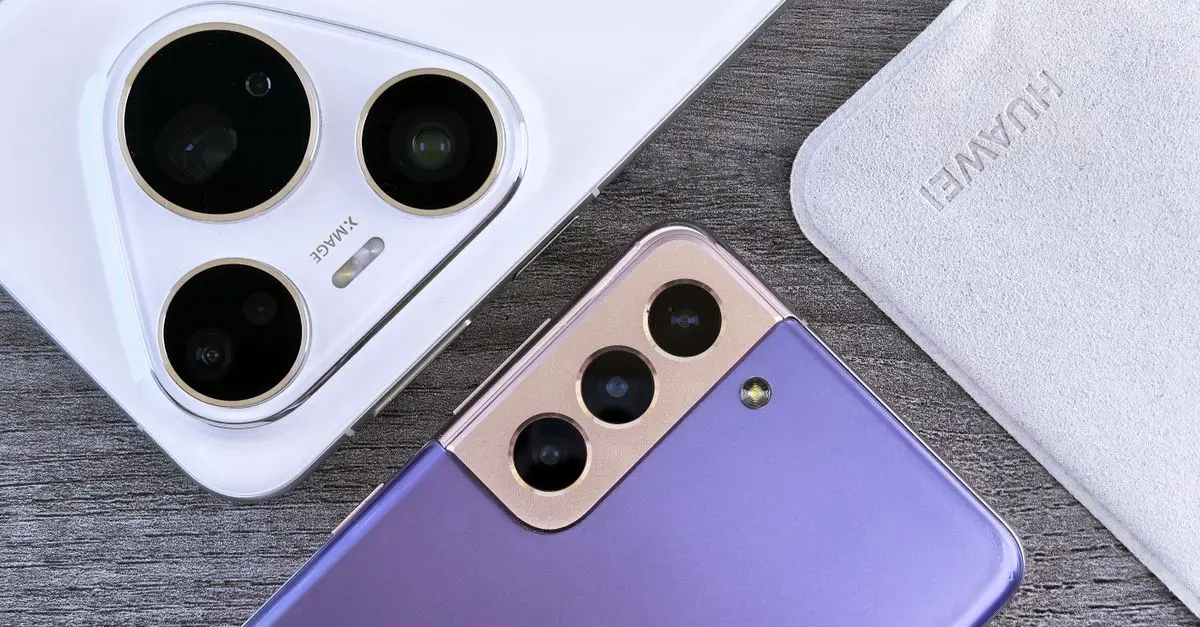
Camera technology has seen exponential growth over the past few years, and 2026 is poised to take this to new heights. Features such as multi-lens setups, enhanced low-light performance, and computational photography will be standard in flagship models. Smartphone users can expect cameras that not only capture high-resolution images but also adjust settings using AI, optimizing pictures based on the environment automatically.
According to NPD Group, 85% of consumers currently prioritize camera quality in their smartphone purchases, indicating a clear demand for better imaging technology. By leveraging advanced sensors and algorithms, manufacturers like Samsung and Apple are set to lead in this arena, providing users with a professional-quality camera experience at their fingertips.
5. Sustainability and Eco-Friendly Design
As environmental awareness grows, smartphone manufacturers are increasingly prioritizing sustainability. In 2026, we will see features that reflect eco-conscious practices, such as biodegradable materials, energy-efficient components, and recycled materials.
Companies like Apple are paving the way, with initiatives aimed at achieving a fully circular supply chain. Data from Greenpeace suggests that up to 70% of consumers prefer brands that are committed to sustainability. This shift towards eco-friendly designs isn’t only good for the planet but also sets a new standard for consumer expectations, ensuring that smartphones are as responsible as they are advanced.
6. Biometric Security Innovations
In a world where cybersecurity threats are rampant, biometric authentication methods continue to evolve. By 2026, biometric security features, including retinal scanning and voice recognition, will become commonplace, significantly enhancing device security.
As per Cybersecurity Ventures, it is estimated that cybercrime will cost the world $10.5 trillion annually by 2025. Therefore, evolving biometric technologies will play a crucial role in protecting personal data. These innovations not only provide enhanced security but also improve user convenience by allowing quick access without compromising safety.
7. Immersive Display Technologies
The evolution of display technologies will shape the way users interact with their devices. Flexibility and durability will define displays in 2026, with features like foldable and rollable screens becoming more prevalent.
Research from DisplaySearch forecasts that flexible displays will account for nearly half of the smartphone market by 2026. Users can anticipate slimmer, more compact devices that expand into larger screens when needed, thus enhancing multimedia experiences without sacrificing portability.
📺 Resource Video
> 📺 For further insights: Check out our video on the future of smartphone technology by searching for 'smartphone trends 2026' on YouTube.
Glossary
| Terme | Définition |
|---|---|
| AI | Artificial Intelligence, computer systems able to perform tasks normally requiring human intelligence, such as visual perception and decision-making. |
| 5G | The fifth generation of mobile networks, offering enhanced speed and connectivity for mobile devices, enabling advanced functionalities like AR and VR. |
| Sustainability | The practice of utilizing resources in a way that does not deplete them for future generations, including eco-friendly methods in product manufacturing. |
Checklist before purchase
- [ ] Verify the battery longevity of the smartphone.
- [ ] Check for AI integration features.
- [ ] Ensure 5G connectivity support.
- [ ] Look for sustainable materials in the design.
- [ ] Assess camera quality through reviews.
🧠 Quick Quiz: What is the most anticipated smartphone feature in 2026?
- A) Advanced AI
- B) Biometric Innovations
- C) Flexible Displays
Answer: A — Advanced AI is expected to enhance customization and user experience significantly.
📺 Pour aller plus loin : smartphone trends 2026 sur YouTube
Recommended products
Selected by our experts