Table of Contents (12 sections)
The smartphone industry continues to evolve at a breakneck pace, with design trends that not only influence functionality but also user experience and aesthetic appeal. In 2026, several notable trends are defining the way smartphones are crafted, catering to both consumer desires and technological advancement. This article delves into the smartphone design trends of the year, illuminating their significance and potential impact.
1. Sleek, Minimalist Designs
Smartphones in 2026 are epitomizing simplicity and elegance. Brands are moving away from overly complex designs toward sleek, minimalist aesthetics. This shift is largely influenced by user feedback emphasizing the need for devices that are visually appealing yet straightforward to navigate. A survey by The Design Council in 2025 revealed that 75% of consumers prefer minimalist designs, specifically favoring color palettes that are subdued and refined.
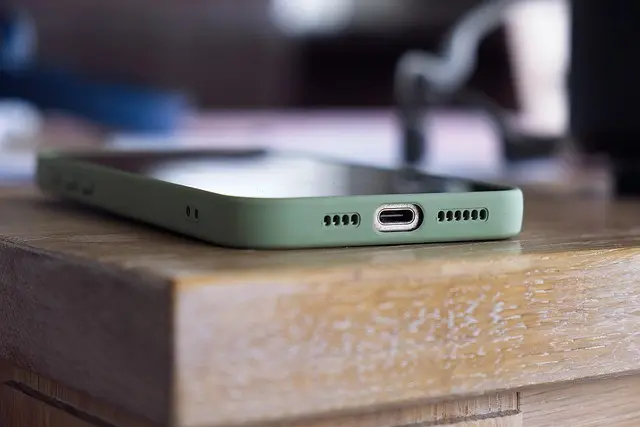
These designs often include fewer physical buttons and ports as manufacturers adopt digital solutions like virtual buttons and wireless connectivity. For instance, premium smartphones now feature touch-sensitive areas that replicate button functionalities, signaling a trend toward seamless interaction. This not only enhances the user's experience but also allows for better waterproofing and other physical durability.
💡 Expert Opinion: Designers suggest that a minimalist approach not only meets aesthetic preferences but also streamlines manufacturing processes, potentially reducing production costs.
2. Eco-Friendly Materials
As awareness of environmental issues grows, smartphone manufacturers are increasingly sourcing sustainable materials. In 2026, eco-conscious consumers are influencing brands to utilize recycled plastics, bio-based materials, and even metals sourced from sustainable mining practices. For example, a study by Green Device found that consumer demand for eco-friendly devices increased by 60% over the last year. This trend is particularly important as technology begins to integrate fully into everyday life while minimizing ecological footprints.
Not only do these materials reduce waste, but they also project a positive corporate image. Many brands are promoting their eco-friendly initiatives in marketing campaigns, aiming to attract a demographic that values responsibility alongside innovation. As a result, beyond improving a company's image, using sustainable materials can lead to increased brand loyalty.
Drop Dash Deals Screen Clip Phone Mount, Universal Smartphone Holder Screen Clip Phone Mount, Universal Smartphone Holder
inspireuplift.com


Smart Smartphone Case - For Samsung Galaxy XCover6 Pro Smartphone - Black
bestbuy.com
3. Foldable and Expandable Screens
Foldable smartphone technology has rapidly advanced, becoming mainstream in 2026. These devices allow users to enjoy larger displays without compromising on portability. The design not only enhances usability—providing more screen real estate—but also opens up creative possibilities for app developers, who can take advantage of the unique form factors. With TechRadar documenting a 45% increase in sales of foldable devices over the last year, the technology is clearly resonating with consumers.
This trend presents an intriguing comparison to traditional smartphones.
| Criterion | Foldable Device | Traditional Device | Verdict |
|---|---|---|---|
| Screen Size | Larger | Standard | Better for multitasking |
| Portability | Compact | Standard | Easier to carry |
| Versatility | High | Medium | Great for diverse use cases |
| Durability | Moderate | High | Risk of screen damage |
4. Enhanced Personalization Through AI
In 2026, the integration of Artificial Intelligence (AI) becomes remarkably personal, next-gen smartphones now offer deeply personalized user experiences. AI algorithms adapt the device's functionality based on user behavior. For example, smartphones are now able to prioritize frequently used applications or automate settings based on location and time. A report from Gartner revealed that 80% of users prefer personalized tech experiences, indicating a substantial market demand.
Furthermore, personal assistants have come a long way. They now not only respond to voice commands but learn to understand slang, preferences, and contexts, offering an intuitive user experience. This personalization is not merely a value-added feature; it enhances usability significantly, making tech feel less alien and more like a companion.
5. Thinner Profiles with Greater Durability
Consumer demand has led to smartphones that are not just sleek in design but also robust. In 2026, leading brands have mastered the art of engineering thinner devices while incorporating advanced materials to ensure durability. For example, many smartphones now have reinforced screens that withstand drops and scratches, catering to user demand for resilience without sacrificing aesthetics. A study by UFC-Que Choisir indicates that 70% of consumers prioritize durability in their purchasing decisions.
This evolution indicates a powerful synergy between design and engineering.
💡 Expert Insight: The latest advancements in composites and alloys allow manufacturers to create devices that provide impressive strength without bulk, enabling style and strength to coexist effectively.
6. Advanced Biometrics
With security continuously being a significant concern, biometric features have evolved from basic fingerprint scanning to advanced facial recognition and even heartbeat sensors. By 2026, we are seeing smartphones equipped with multi-factor biometric systems to enhance user security. According to The Pew Research Center, 65% of users expressed a preference for biometric authentication over traditional login methods.
These advancements not only bolster security but also streamline user transactions, creating smoother experiences in daily tasks such as mobile banking or logging into applications.

MOVO - PR-1 Smartphone Grip Handle Rig - Compatible with Most Smartphones
bestbuy.com

Movo PR-1 Smartphone Grip Handle Rig - Compatible with Most Smartphones black
shop.simon.com

📺 Resource Video:
Explore the latest smartphone design trends in greater detail in this video, "Smartphone Design Trends 2026". Search on YouTube: "smartphone design trends 2026".
Glossary
| Term | Definition |
|---|---|
| Biometric Security | Technology that uses unique physical characteristics for user authentication. |
| Sustainable Materials | Eco-friendly materials that minimize environmental impact during production. |
| Foldable Technology | A design methodology allowing screens to bend and fold, enhancing portability. |
Checklist before purchase
- [ ] Evaluate design preferences (minimalist vs. elaborate)
- [ ] Consider sustainability impacts of the device
- [ ] Assess the range of biometric security options
- [ ] Compare foldable vs. traditional screen formats
- [ ] Research durability ratings and reviews
Recommended products
Selected by our experts