Table of Contents (11 sections)
Selecting the best smartphone for your unique needs can feel overwhelming with today's vast range of options. Whether you prioritize photography, gaming, or everyday usability, understanding what features and specs matter most is crucial. This guide will walk you through essential considerations to help you make an informed decision, ensuring your next device fits seamlessly into your life.
1. Assess Your Needs and Usage
Before diving into specific models or features, take a moment to reflect on how you use your smartphone. Are you a heavy gamer, do you frequently take photos, or do you primarily use your phone for browsing and social media? For example, if you travel often, you might prioritize battery life and cloud storage. According to a survey by Deloitte, 51% of consumers prefer phones that excel in photography over other features, indicating a value shift towards camera quality. By understanding your priorities, you can narrow down options and focus on devices tailored to your lifestyle.
Key Considerations:
- Photography: If photography is essential, look for phones with multiple lenses and advanced imaging software.
- Gaming: Ensure the device has a powerful processor and ample RAM to run games smoothly.
- Battery Life: Assess battery capacity (measured in mAh), as a higher number often translates to longer usage between charges.
2. Understand Operating Systems
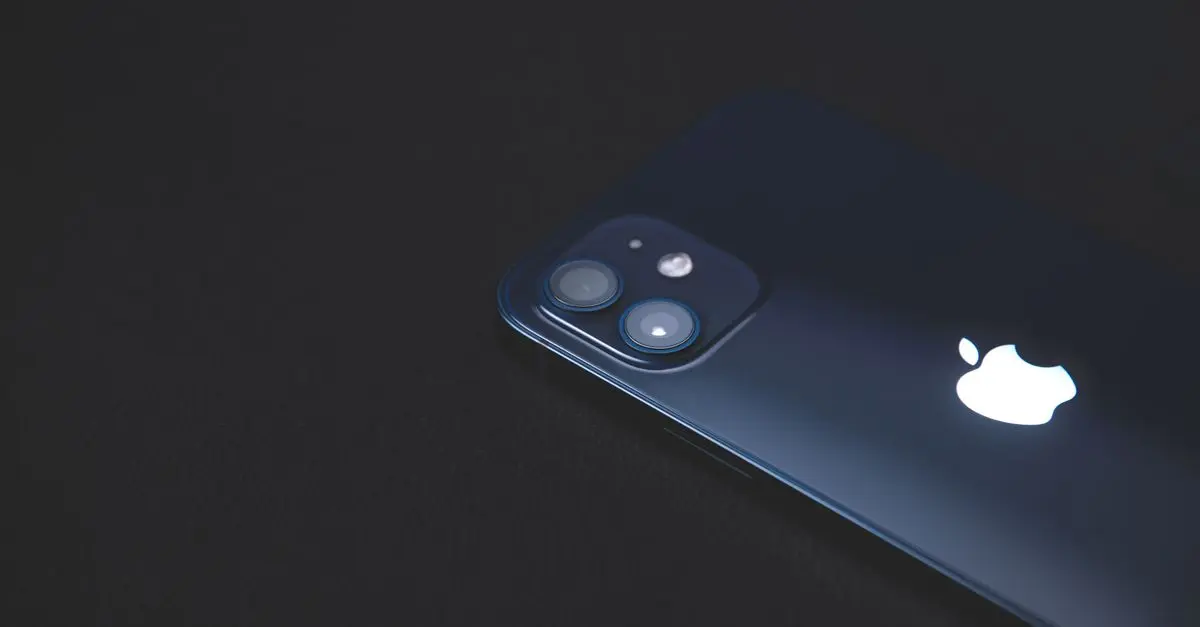
Choosing between Android and iOS is one of the key decisions when considering the best smartphone. Both platforms have unique strengths. For instance, iOS, found on Apple devices, is known for its user-friendly interface and regular updates. Conversely, Android offers a broader variety of devices at various price points and more customization options. If you prefer numerous device choices, Android may be more appealing. However, if you desire a smooth, cohesive experience across devices, iOS could be the better option.
3. Explore Specifications
Specifications can give insight into how a phone performs in real-world scenarios. Pay close attention to the following:
- Processor: The processor determines how quickly your smartphone runs applications. A Qualcomm Snapdragon or Apple A-series chip will ensure top performance.
- RAM: More RAM means better multitasking abilities. Phones with at least 6GB of RAM are typically recommended for a balanced experience.
- Storage: Depending on your usage, consider how much internal storage you might need. Phones usually offer options from 64GB to 512GB, and some allow for expandable storage.
4. Compare Pricing and Plans
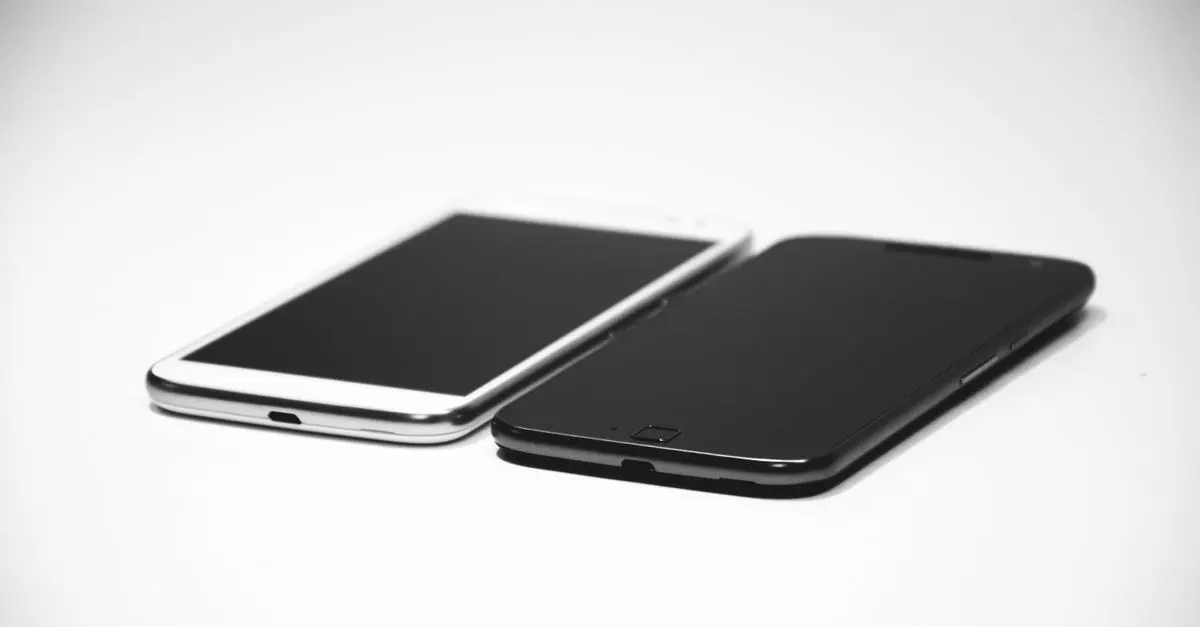
Budget is often a significant factor when choosing the best smartphone. Prices can range from a couple of hundred dollars to over a thousand for flagship models. Research plans that accompany different phones; many carriers offer attractive financing options for high-end devices. For example, a low-cost phone might save you money upfront but could lack features you need in the long run. Similarly, look out for promotions, discounts, and trade-in options that can make high-end phones more accessible.
| Feature | Low-cost Phones | Mid-range Phones | Flagship Phones | Verdict |
|---|---|---|---|---|
| Price Range | $150 - $400 | $400 - $700 | $700 - $1200 | Choose according to budget and needs. |
| Camera Quality | Basic | Good | Excellent | Flagship typically offers best cameras. |
| Software Updates | Limited | Moderate | Regular | iOS and flagship Android tend to excel. |
| Battery Performance | Basic | Good | Excellent | High-end phones often deliver superior battery life. |
Once you narrow down your choices, reading user reviews and expert opinions can provide valuable insights. Websites like UFC-Que Choisir and Les Numériques often feature detailed smartphone tests with comprehensive breakdowns of performance and user experiences. Additionally, checking video reviews can provide real-life performance comparisons, especially in areas such as gaming and photography. Incorporate feedback from those who have used the phone, as it can reveal potential pitfalls or advantages that specifications alone might not indicate.
6. Check for Extra Features
Finally, consider additional features that could enhance your smartphone experience. For instance, water resistance, wireless charging, or 5G capabilities may be important based on your usage. Ensure the phone supports any specific technologies that are relevant to you, such as NFC for mobile payments or advanced biometric security features like facial recognition. These features can significantly increase usability and satisfaction with your device.
7. Make Your Decision
After careful consideration of your needs, specifications, and research, it's time to make your decision. Create a short list of your top contenders, and consider testing them out in-store if possible. This personal experience can provide insight into which phone feels right in your hand.
💡 Expert Opinion: All smartphones have pros and cons — prioritizing features that align with your needs ensures a satisfying purchase.
📺 For Further Exploration:
Discover additional insights in the video: "Smartphone Buying Guide for 2026", which delves into the latest smartphone innovations. Search YouTube for: best smartphones 2026 buying tips.
Checklist Before Purchase:
- [ ] Assess your daily smartphone needs.
- [ ] Choose between Android and iOS.
- [ ] Compare specifications carefully.
- [ ] Research pricing options and plans.
- [ ] Read expert reviews and user feedback.
Glossary
| Term | Definition |
|---|
| Operating System| The software that manages hardware and software resources of the device, e.g., Android or iOS.
| Camera Megapixels | A measure of the resolution of the camera; higher numbers often lead to better picture quality.
| Battery Capacity | Measured in milliampere-hours (mAh); higher capacity usually means longer device usage before needing a charge.