Table of Contents (11 sections)
As we step into 2026, the smartphone landscape is evolving rapidly. Today’s smartphones are no longer just communication tools; they are becoming essential multi-functional devices. In this article, we will explore the top five features that you should look for in 2026 smartphones. These features not only enhance user experience but also demonstrate how technology is improving our daily lives.
1. AI-Powered User Interfaces
Artificial Intelligence (AI) continues to have a profound impact on the functionality of smartphones. 2026 smartphone features will include highly sophisticated AI-powered user interfaces that adapt to individual users' habits and preferences. These interfaces can optimize battery performance, automate routine tasks, and even provide personalized recommendations based on past usage. A study revealed that 72% of users find AI functionalities enhance their smartphone experience (Source: Les Numériques). For example, consider predictive text input that adjusts to your typing style and offers suggestions in real-time. This not only speeds up texting but also reduces typing errors. As AI development progresses, its integration into smartphone interfaces will likely become more seamless, resulting in a more intuitive user experience.
2. Enhanced Battery Technology
Battery life remains a top concern for smartphone users. In 2026, we expect to see significant advances in battery technology, including the emergence of faster charging capabilities and longer-lasting batteries. Companies are increasingly focusing on developing lithium-sulfur batteries, which have the potential to double energy density compared to current lithium-ion technologies. For instance, a report highlighted that battery improvements could lead to smartphones lasting up to 48 hours on a single charge. Additionally, advancements in solar charging integrated into the smartphone casing may provide users with an eco-friendly option to recharge their devices on the go. As consumers lean towards sustainability, this feature could become a game-changer in the market.


3. 5G and Beyond: Enhanced Connectivity
The transition to 5G networks is well underway, and by 2026, smartphones equipped with 5G and advanced connectivity options will be the norm. This improved connectivity enables faster download speeds and smoother streaming experiences, catering to the growing demand for uninterrupted multimedia content. Additionally, we can expect upcoming generations of connectivity, such as 6G, to begin rolling out, promising even higher speeds and reduced latency. According to projections from industry experts, 5G adoption is expected to reach 3 billion global connections by the end of 2026. Thus, investing in a smartphone with robust connectivity options ensures future-proofing for users.
4. Advanced Camera Technology
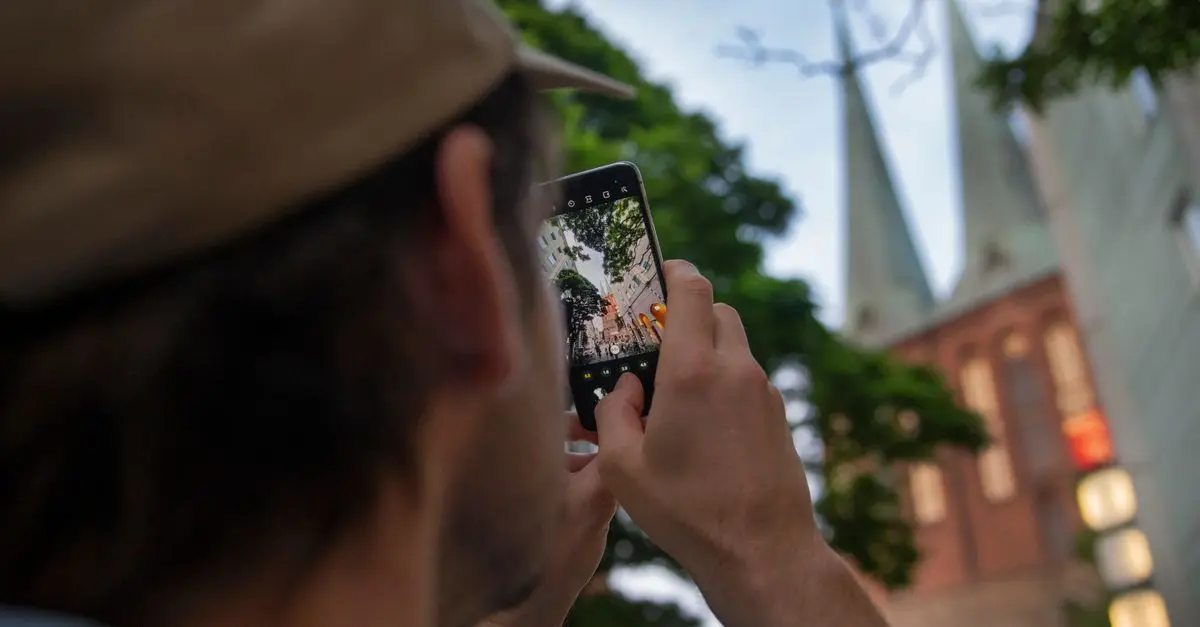
Photography has become one of the primary uses of smartphones. In 2026, expect to see smartphones equipped with advanced camera systems that include improved low-light performance and AI-driven photography features. Multi-lens setups and powerful sensors will allow users to capture stunning images under varied conditions. For example, smartphones might include night vision features, which could capture clear images even in complete darkness. Additionally, with the rise of social media and content creation, features like cinematic video recording and 3D imaging will likely become common. A recent survey indicated that 80% of users prioritize camera quality when purchasing a smartphone (Source: UFC-Que Choisir). Therefore, consumers should look for smartphones that not only provide high resolution but also innovative software enhancements for an optimal photography experience.
5. Sustainable Materials and Design
As environmental concerns grow, smartphone manufacturers are increasingly focusing on sustainability. In 2026, we can anticipate a more significant emphasis on sustainably sourced materials in smartphone production, such as recycled plastics and metals. Many brands have started implementing eco-friendly practices in their manufacturing processes, which can attract environmentally conscious consumers. Additionally, modular smartphone designs may gain traction, allowing users to replace parts rather than buy new devices. This approach not only reduces waste but can also extend the lifespan of smartphones. According to a recent report, nearly 70% of users would prefer to buy from brands that demonstrate a commitment to sustainability and environmental stewardship. This trend indicates that consumers are becoming more responsible and informed when it comes to their tech purchases.
📺 Resource Video
> 📺 For further insights: Discover the technological trends shaping the smartphone industry this year. Search YouTube for: "2026 smartphone technology trends".


Comparison Table of Important Features
| Feature | Current Technology | 2026 Predictions | Verdict |
|---|---|---|---|
| AI Interface | Basic automation | Highly adaptive AI | Highly beneficial |
| Battery Technology | Lithium-ion | Lithium-sulfur | Game-changing |
| Connectivity | 4G | 5G / 6G | Future-proofing |
| Camera Quality | Dual-lens | Multi-lens + AI | Essential for content creators |
| Material Sustainability | Traditional | Recycled materials | Important for eco-conscious |
Glossary
| Term | Definition |
|---|---|
| AI (Artificial Intelligence) | Technology enabling machines to learn from data and perform tasks intelligently. |
| 5G | The fifth generation of mobile network technology offering enhanced speed and connectivity. |
| Sustainability | The capacity to maintain natural resources and reduce environmental impact. |
Checklist before purchase
- [ ] Verify AI features
- [ ] Check battery life
- [ ] Confirm 5G compatibility
- [ ] Assess camera quality
- [ ] Research sustainability practices
📺 Pour aller plus loin : 2026 smartphone technology trends sur YouTube
Recommended products
Selected by our experts